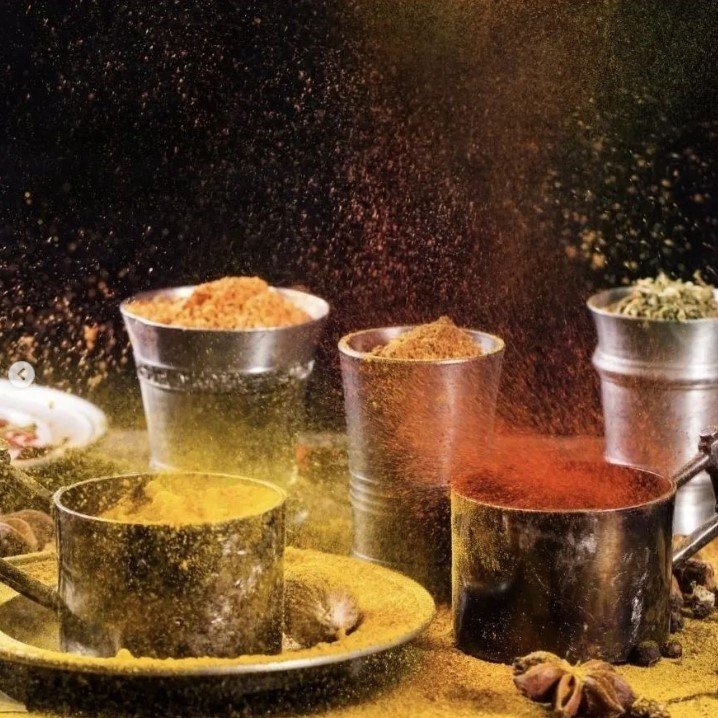
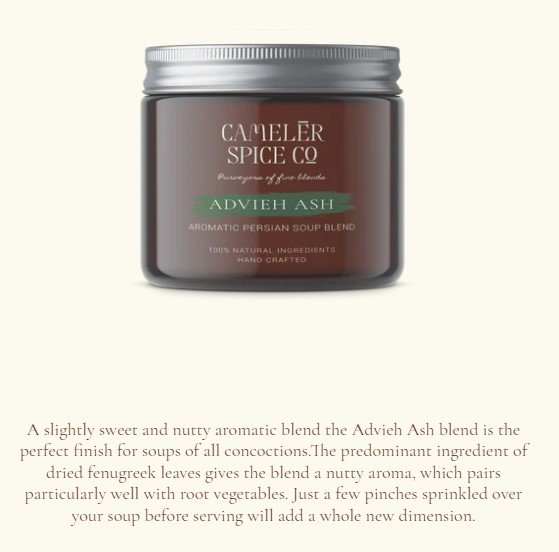
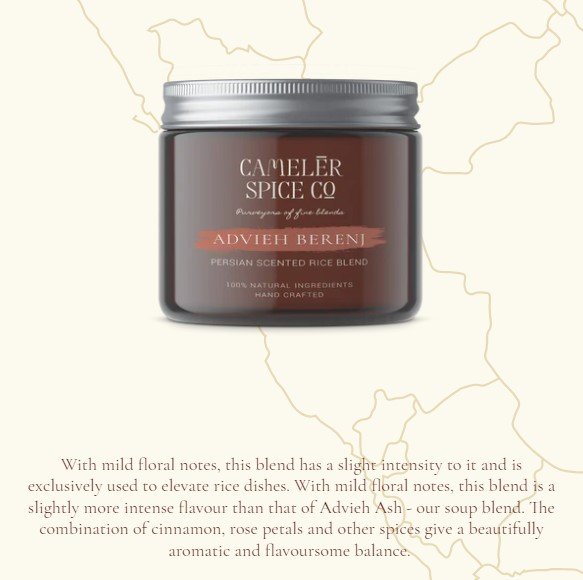
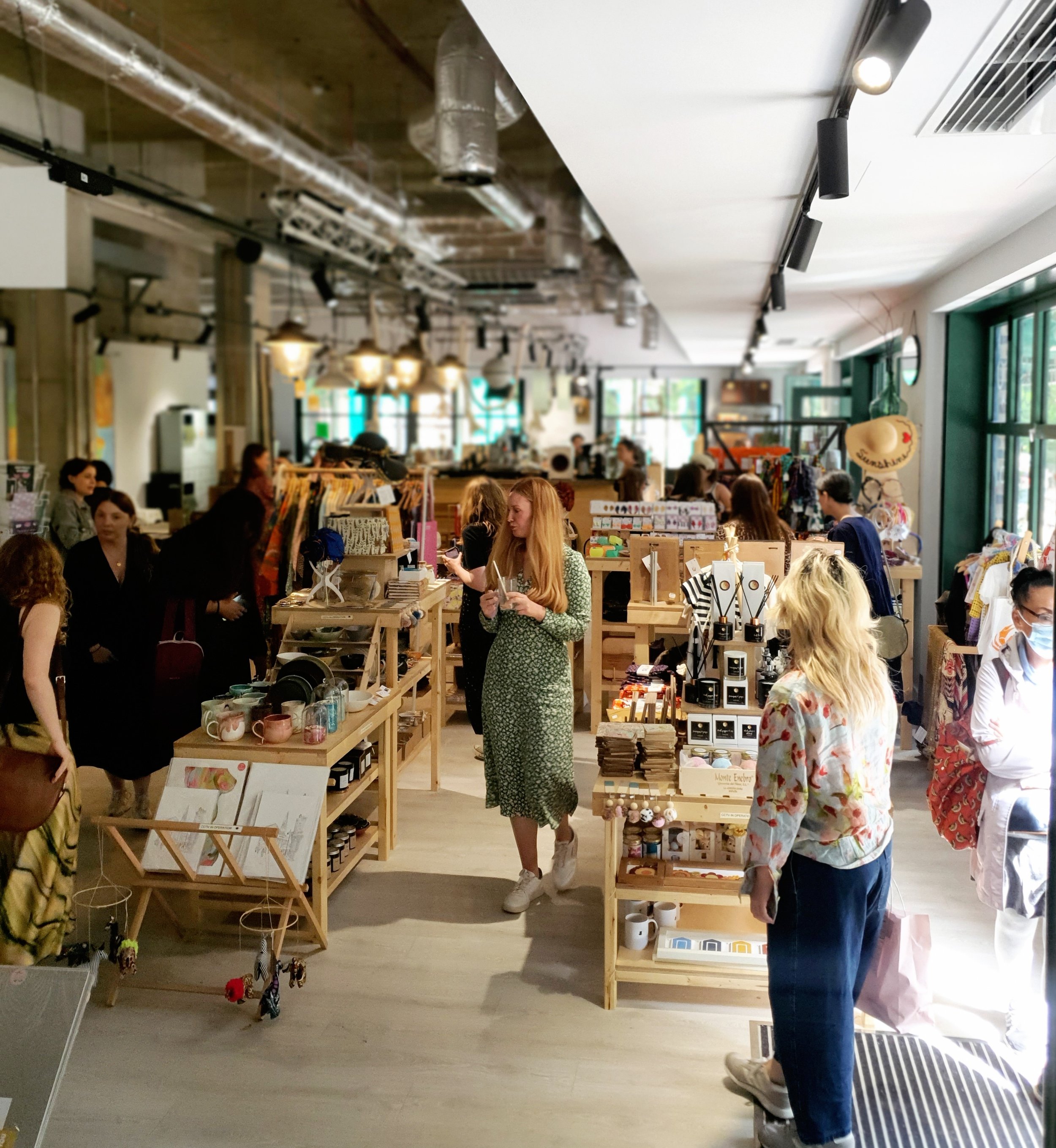
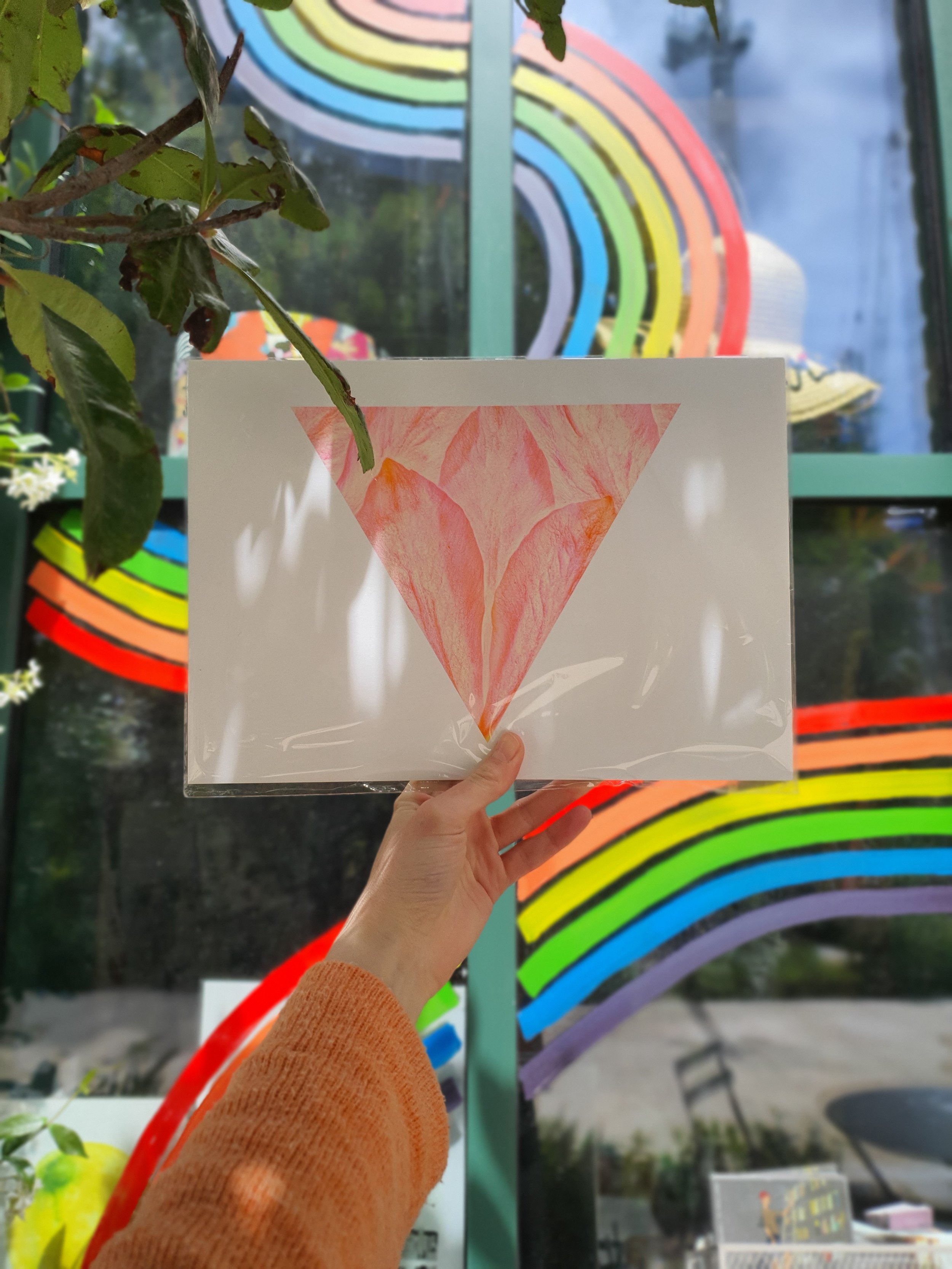
This month we've had the pleasure of stocking Camelēr Spice Cº at the SoLo Craft Fair shop. Co founders Halle and Myles are great friends and started working together on a project in 2019. Realising from the offset that their values and interests were aligned they decided to direct their passion into setting up Camelēr Spice Cº. Here's a little bit about their brand and what you can find in store:
'As a human-centric brand, our ambition is to disrupt the spice industry, by taking you on a sensory journey, of universal tast and scent with our multipurpose offerings.
When a little seasoning goes a long way, the alchemy has to be superior.
Our spice mix offering is multiuse where each of our blends are curated for more than one specific recipe.
Milling and blending in-house, our artisnal blends are made with 100% natural ingredients.
Cooking, baking and cocktail making is about the exploration of taste buds and our mission is to nurture that enjoyment.
The name “Camelēr” (cameleer) is the person who drives or rides the camel. It is the merchant who brought the spices and other thrifts between continents. The “M” in our logo signifies a camels movement and their humps uniqueness with sharp serifs influenced by fonts created during the enlightenment period over the 17th and 18th centuries. The line over the ē called a “macron” marks the Latin way a long vowel (ee) sounds.
Our endeavour to focus on the enjoyment of the journey that we hope you will be on with us. A little like the cameleer as they drive the camel arriving at the depot with their thrift safe and sound. For us, the celebration is about our community, culture, our collective journey and courage.'
Head to their Instagram to find out more @camelerspiceco and take their unique flavour profile quiz on their website to explore their blends.
10 Ways to Improve Sales as a Creative Small Business Owner
We started SoLo Craft Fair back in 2016 running craft markets for makers throughout Southeast London. As makers ourselves we already had experience selling at markets and online, and this experience grew as we started running our own craft fairs. In 2021 we opened our shop in Elephant Park London, and from this we’ve gained a wealth of knowledge about consumer behaviour and habits in a brick and mortar shop.
We’ve put together this post detailing some of the retail tips we’ve learned along the way including what sells best and what can put some customers off!
All shops are different, and have different customer bases with unique spending habits, so these aren’t hard and fast rules for retail, but they are useful if you’re planning on selling your products at our shop.
As a general rule, if you’re not seeing the level of sales you’d hoped for either online/at markets/in a shop, try not to be discouraged! – Keep trying new things, thinking of creative solutions and experimenting until you get it right. We have seen some of our traders turn around their sales from being slow sellers to our highest performing traders, and they’ve done this by constantly evolving their business and trying new things.
1. Use clear, easy to understand labels and packaging
We’ve noticed that lots of shoppers are put off looking at a product if it’s not glaringly obvious what it is at first glance. If you sell a product that needs an explanation (perhaps an embroidery kit that comes packaged in a box for example), make sure that the customer can understand the product easily with clear, concise written information and pictures. If the customer has to pick up the product, take off the lid and search for information to understand what it is and how it works, it’s most likely they won’t hang around to do so!
2. Price everything
A lot of customers will not ask for prices so make sure your price is printed on your product.
3. Always keep your stock topped up
We’ve noticed that sales can drop if traders do not replenish their stock. The more stock you have in the shop, the more there is for customers to see and buy.
4. If something sells, restock with the same product
It’s great trying out new products, but if you’ve hit on a best seller, keep restocking that product.
5. Have multiple product types
Generally speaking, traders with multiple product types tend to sell more. For example, a trader who has 15 unique T shirts in the shop is more likely to have more sales than a trader with 15 of the same T shirt design.
6. Help your customers understand how to use your product
If you sell a dress that can be worn 5 different ways – show the customer the different ways it can be worn as it might not be obvious to them. You could include pictures on your label to make it clear.
7. Don’t use plastic packaging
Our customers are very eco conscious and are put off products wrapped in plastic. If you have to use plastic (for art prints for example) make sure it is biodegradable. This is a trend that is probably going to increase as people become more environmentally aware, so why not start now?
8. Have a varied price range
We find that traders with lots of different items at different prices, tend to make the most sales, as their items appeal to lots of different customers with different budgets.
9. Know your customer
It’s always a good idea to think about the type of people who will be shopping where you sell your items. Our customers are mostly professionals or families with an age range of 25-50 years. Most of our customers are local so products featuring images of the local area are often popular.
10. Sell seasonal products
Selling scarves in the summer or sandals in the winter is not usually a great idea. People shop depending on the season, so make sure you have the right products ready in time for seasonal occasions like Christmas, Valentine’s, Easter etc.
We hope you’ve found these tips helpful! If you’ve not yet applied to trade with us at our Elephant & Castle pop-up shop please apply here – we look forward to hearing from you!
Meet The Maker: Alex HB Designs
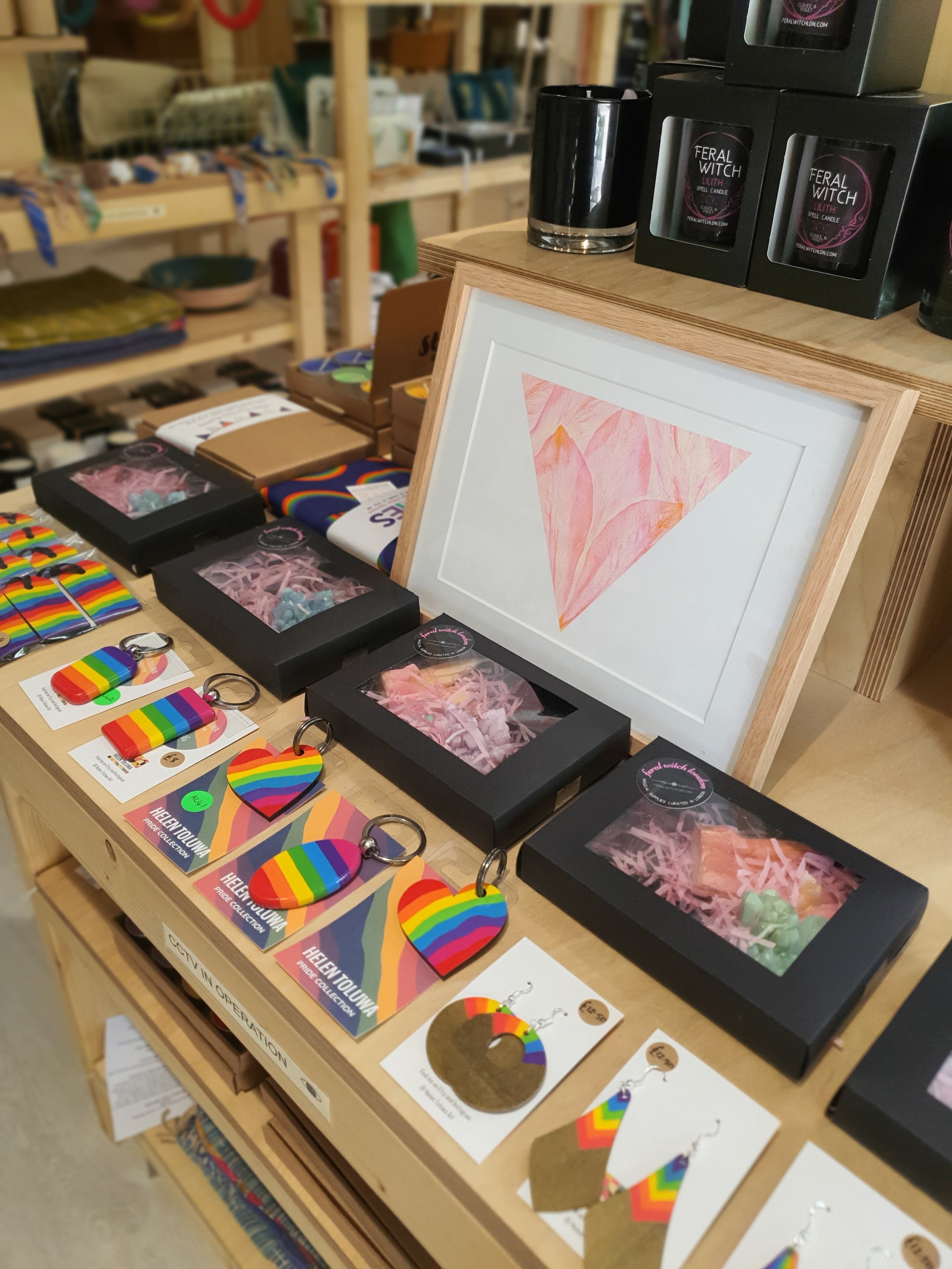
Happy Pride! Today marks the 50th anniversary of the first Pride march and we’ve come a long way but there is still so much progress to be made. One way to support the LGBTQ+ community is by supporting charities – like the amazing Metro Spark who do so much incredible work with young people in Southwark. If you shopped with SoLo during the month of June then £1 of every £20 spent went to this fab charity but don’t let the donations stop there – head on over to their Instagram and see what they’re all about.
And another way of supporting the community is of course shopping with our amazing LGBTQ+ makers! We chatted to Alex this month about what pride means to him, and his experience of being a queer small business owner.
What was your journey to becoming an artist?
Being a gay, disabled and neurodiverse man, I grew up in an education system which I simply didn’t fit and I was written off by teachers at an early age. I was eventually successful educationally once I received the support I needed and could learn in ways that worked for me. These experiences led me to become a teacher, wanting to create a more inclusive learning environment for other learners.
I worked as a teacher for many years but the physical demands became too much for me to manage given my disability. Being creative in various forms has been an important outlet for me throughout my life. I’ve never had the confidence to pursue arts and crafts professionally before but during the pandemic I re-evaluated my priorities and what brings me fulfilment.
What does your creative process look like?
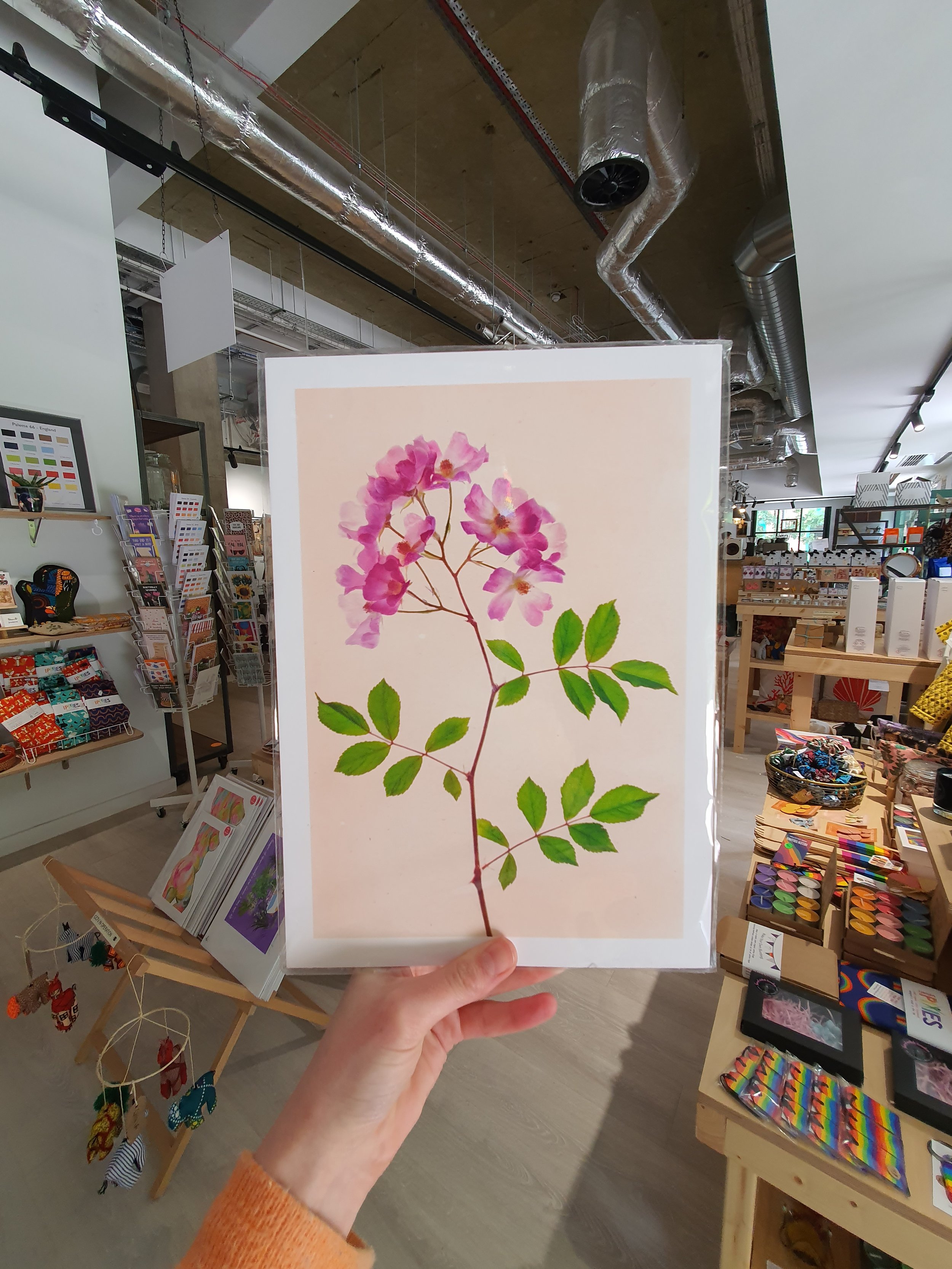
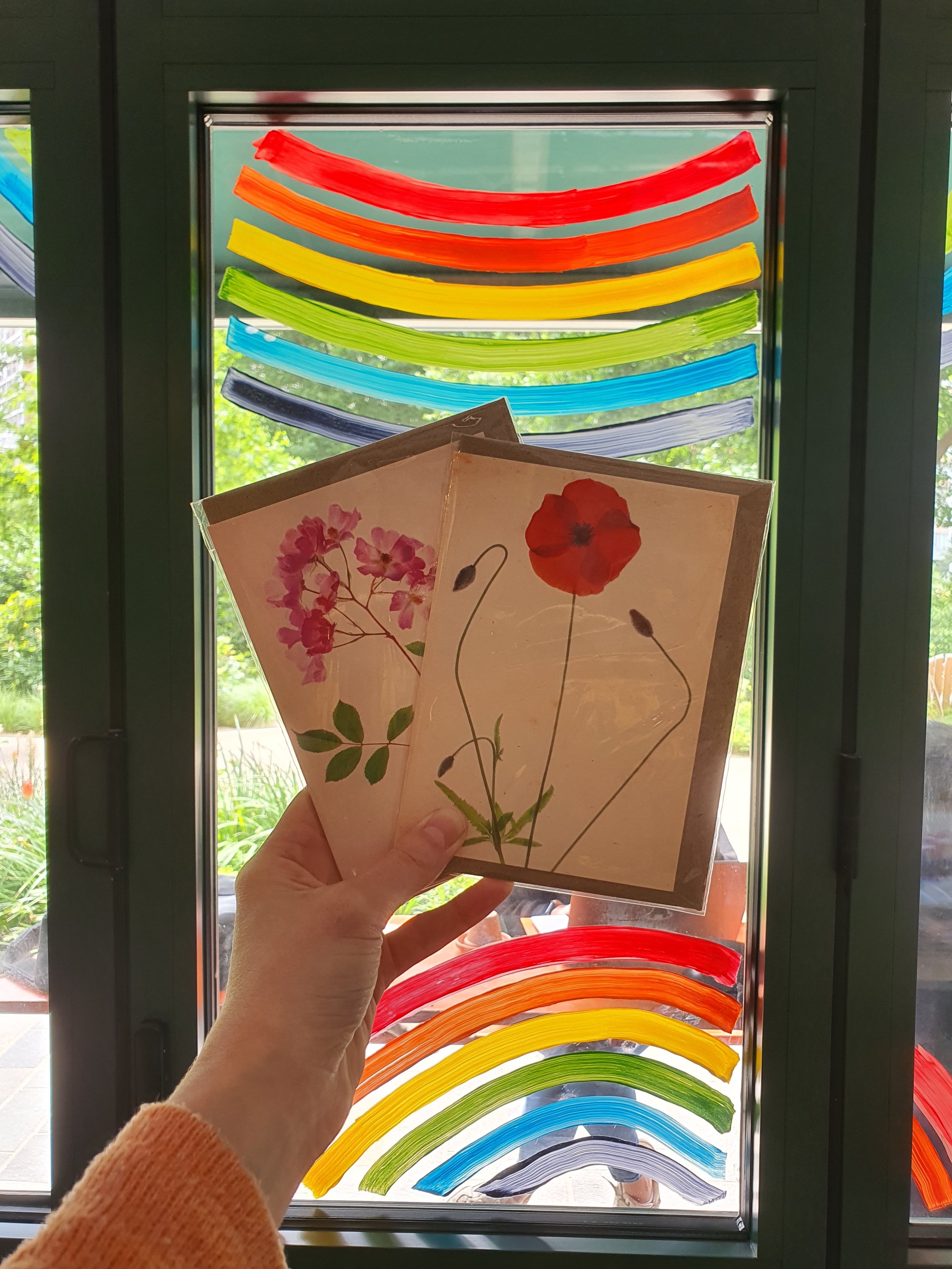
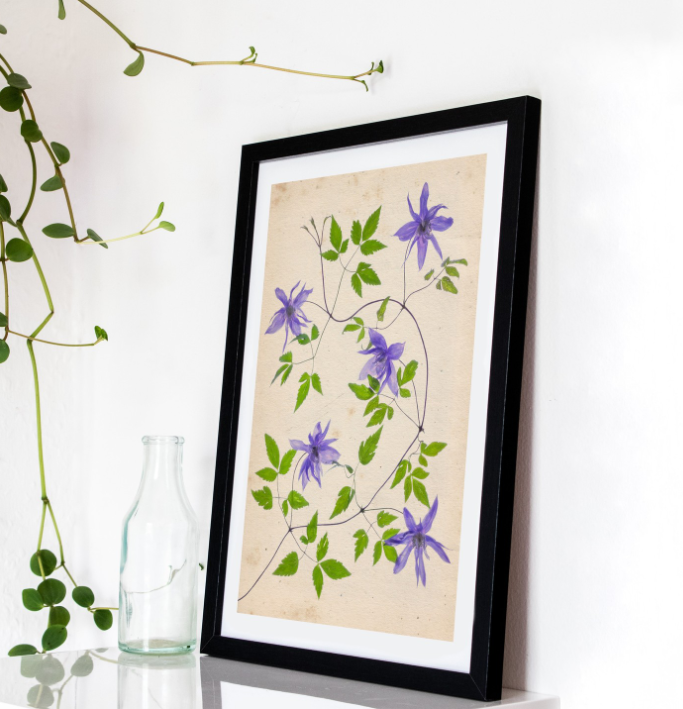
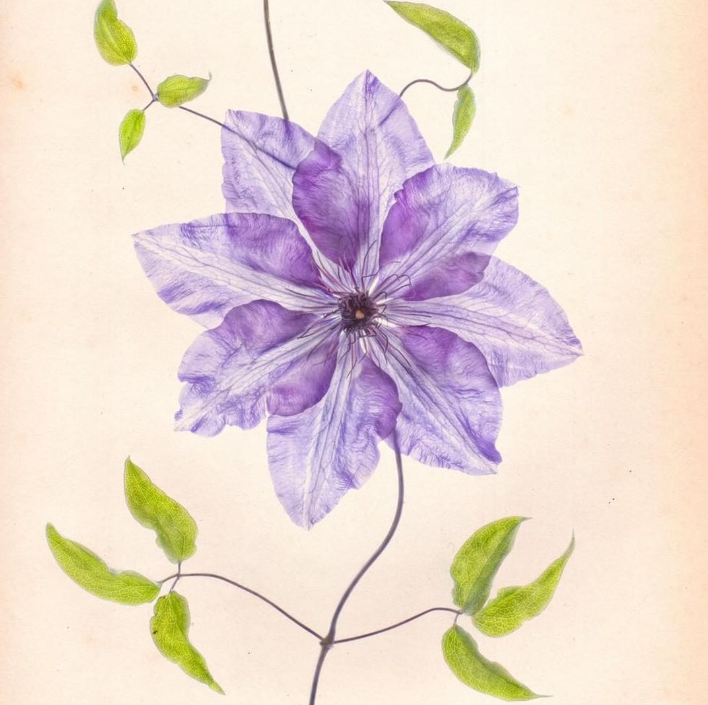
I have long been inspired by the power of botanical illustrations to highlight the intricate beauty of plants and convey a feeling of peacefulness and tranquillity. I explore this power in my work through the use of creative photographic techniques. A light box is employed to bring out the fine details in plants and I digitally paint in elements from multiple exposures to create compositions which blur the lines between photography and illustration.
Through my art I like to explore issues which are important to me, such as: LGBTQ+ history and rights, awareness of chronic illnesses and the importance of biodiversity.
What does Pride mean to you?
For me, Pride is a reminder that despite what many people perceive, the fight for LGBTQ+ rights is not over and that we must not be complacent, as rights can still be taken away. There are still so many parts of the world where being LGBTQ+ is illegal. Pride means fighting for the rights of all members of the community, no matter where in the world they are, as together we are stronger. We must stand with our trans siblings and not be divided.
Where do you sell your work besides the SoLo Craft Fair shop?
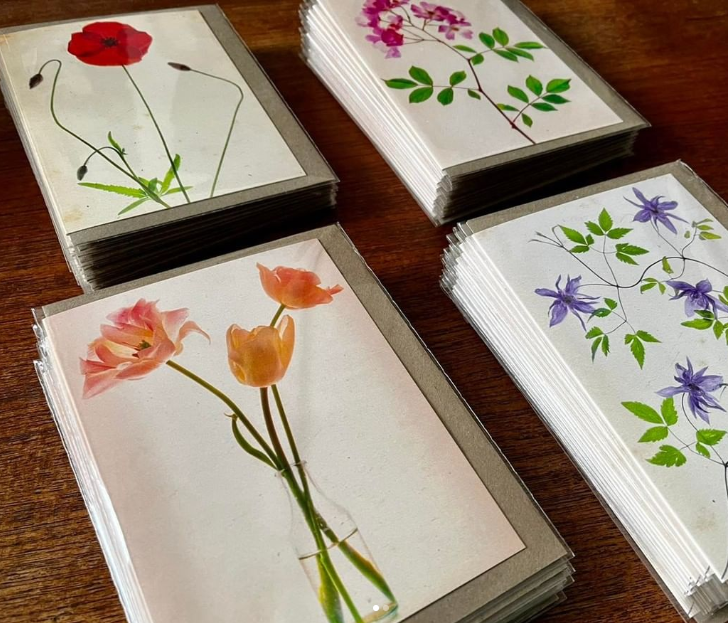
My cards are currently stocked at Flowers of Islington, I also sell my work on the new SheHeThey online marketplace. Additionally, I sometimes trade at craft fairs.
What is your experience of running a queer owned business?
In most places I have worked I haven’t felt comfortable being my true authentic self. Since starting my business, I have discovered just how welcoming, caring and supportive the queer creative community is. Being part of this community has increased my confidence and made me feel more comfortable expressing myself.
What tips would you have for any other artists looking to start selling their work?
I highly recommend attending talks and networking events for creatives to help you make friends and connections. Working for yourself can be exciting and give you a sense of freedom, however it can also be scary and isolating at times. Having a support network of fellow creatives can really help when you’re finding things challenging. I would also recommend attending local craft fairs and markets regularly, this is helpful for both research and networking.
How can non-queer businesses be better allies all year round?
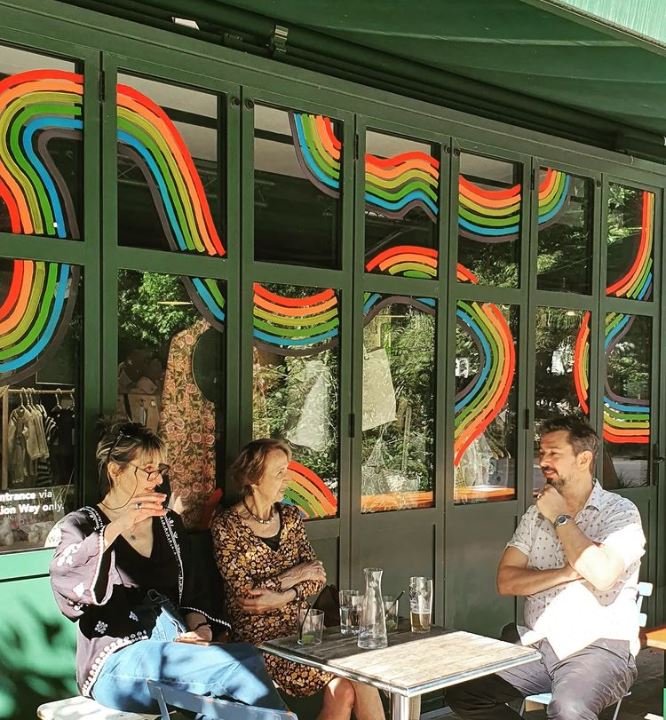
There is a tendency of many business to add a rainbow to their logos for June and do little else. I feel that they shouldn’t do this unless they are committed to being allies all year round. For example:
Making a commitment to being an inclusive employer, supporting LGBTQ+ employees and listening to their voices all year round.
Donating a portion of the profit from any Pride themed products to LGBTQ+ charities.
Carefully considering where they advertise - avoiding outlets which amplify hate.
Making it explicit that they support trans rights.
Meet The Maker: State Of Clay
Meet The Maker: State of Clay
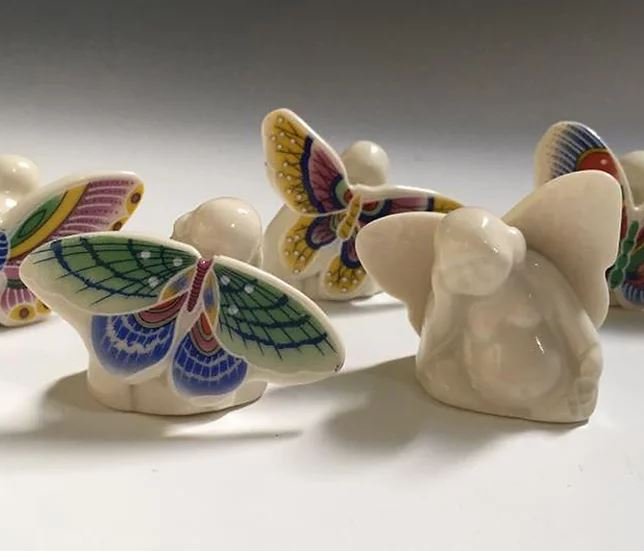
This weekend is your last chance to get your hands on the wonderful State Of Clay products in the shop.
A London based ceramicist, Fay De Winter first graduated in 2004 in Ceramics Design at Central Saint Martin’s and returned to study at Farnham University for the Creative Arts, completing a Masters in Contemporary Craft, specialising in ceramics in 2012. Since graduating Fay has participated in many events and exhibitions in England, Japan, Bali, Milan, Bahrain, Dubai and the USA.
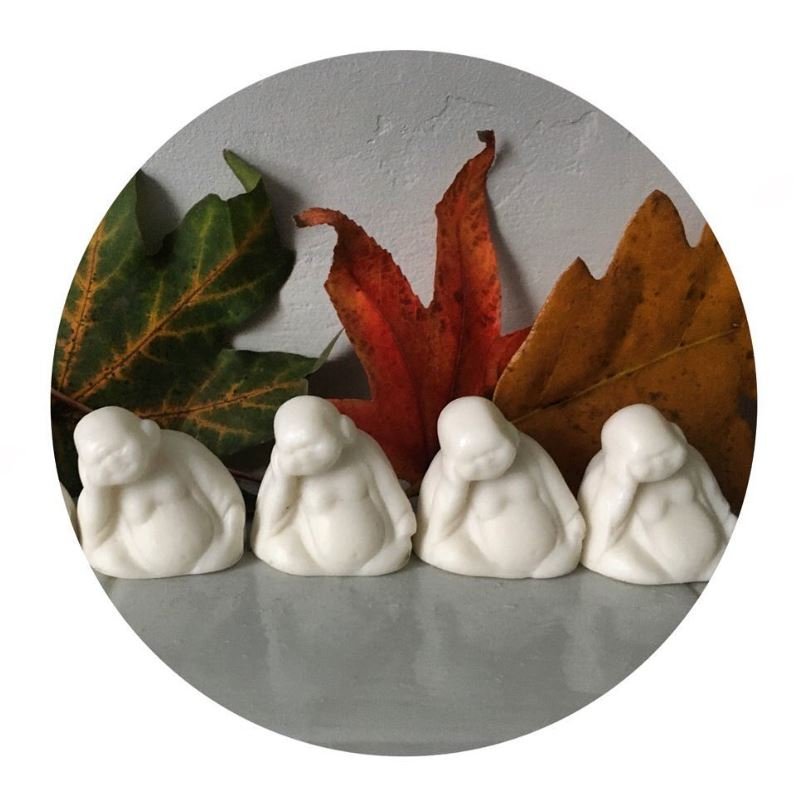
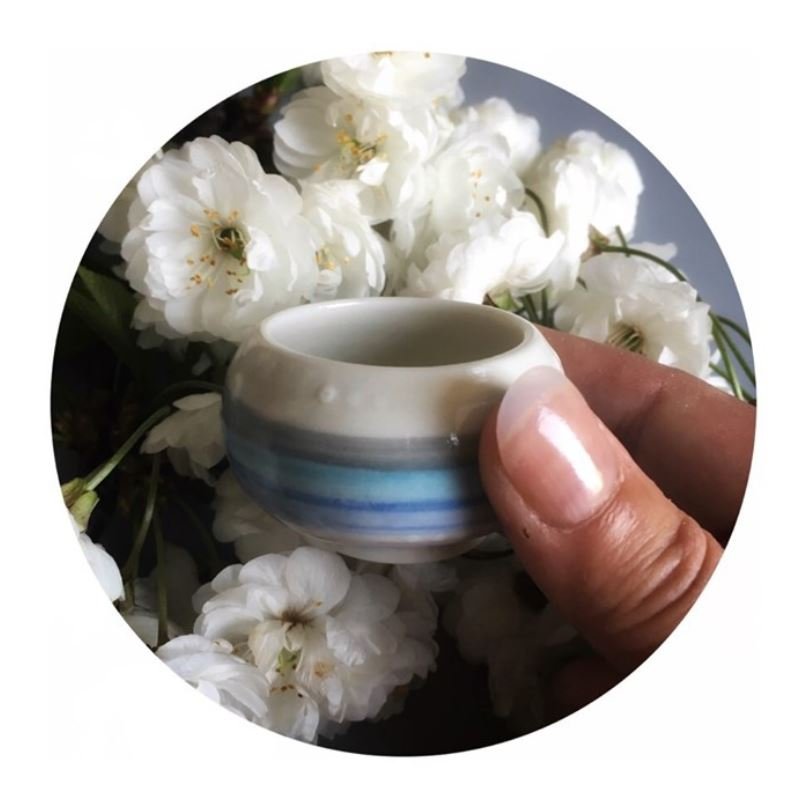
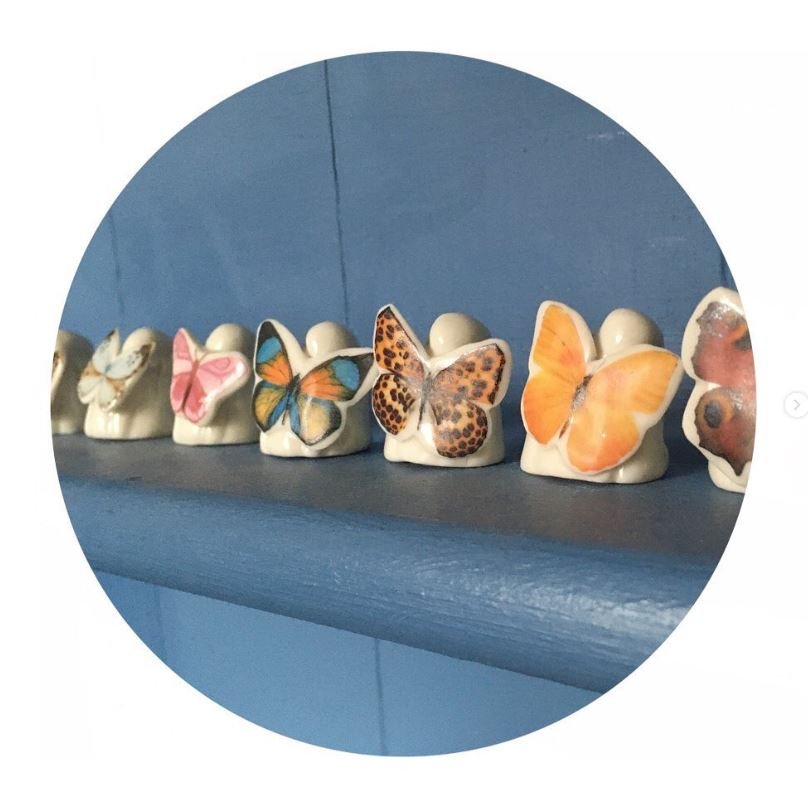
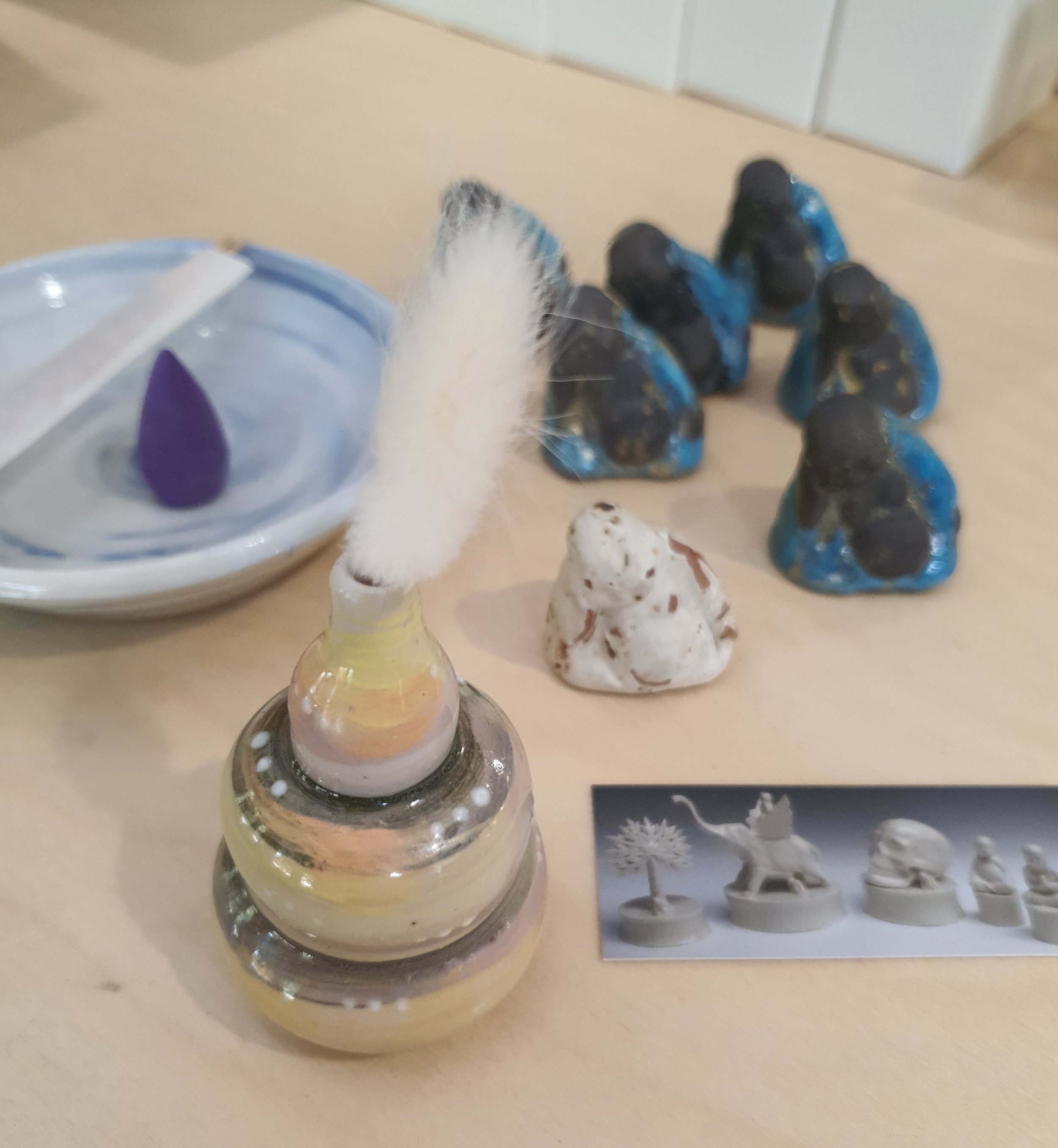
Fay loves to experiment with clay, exploring different perspectives of nature and traveling around the world collecting curio to be inspired by. Porcelain has mainly been utilised in her works to create intimate installations and customised relation gifts. She believes objects tell stories of people’s lives, often holding personal and collective meanings of a particular time, place and event.
What tips would you have for any other makers looking to start selling their work?
Get involved… volunteer for related organisations, attend events and training to continuously develop your skills, gain experience in your field through subject specialist roles, grow your audience in person and online. Most importantly, do what you love and it will shine through.
You also run pottery workshops, can you tell us a bit more about these?
In July 2019 Fay launched a new business, a mobile miniature pottery workshop called State of Clay, holding public and private events. These workshops include public miniature throwing and customised site. My aim is to share ceramics with a wider audience, to make it easier for all to be creative with clay. Touching, shaping and crafting with clay increases well-being, while developing satisfying skills of making artistic objects by hand.
Meet The Maker: Ernest & Cooper Woodworks Co.
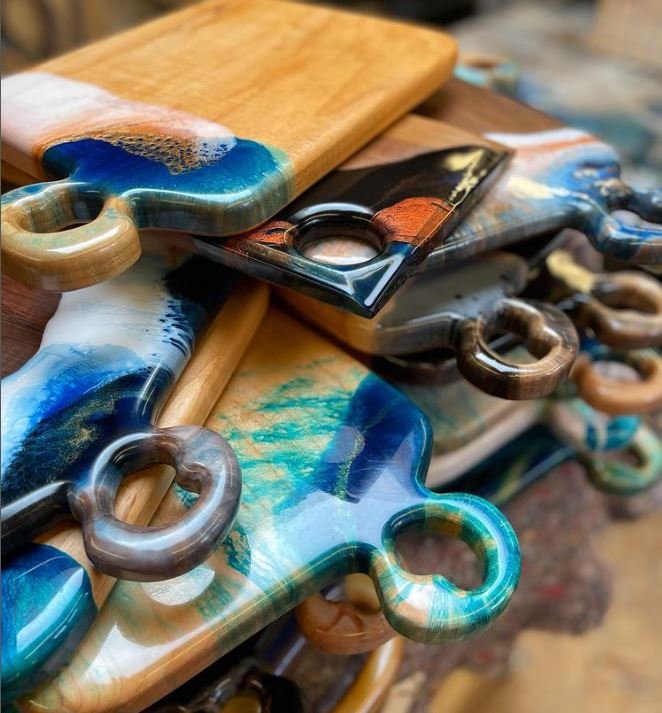
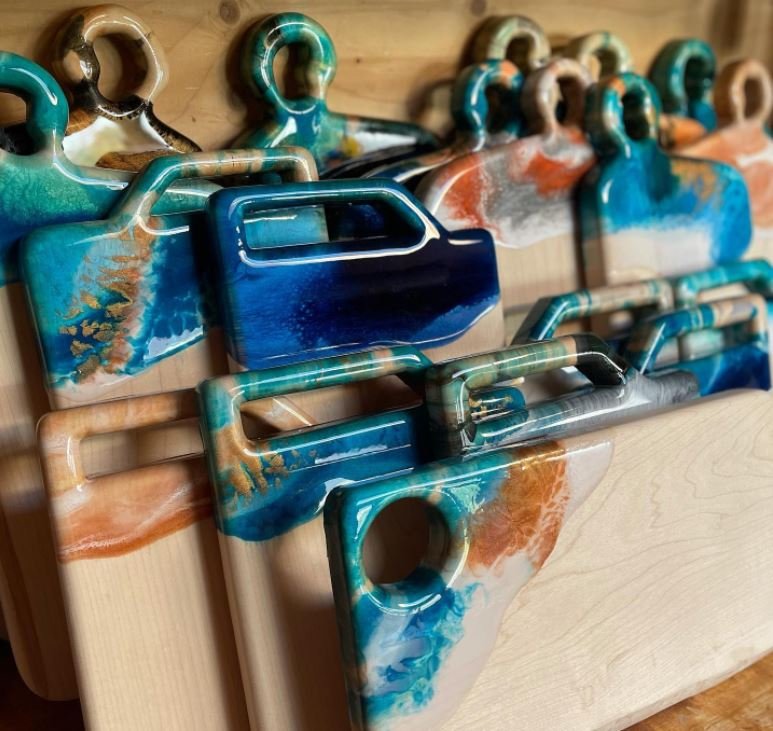
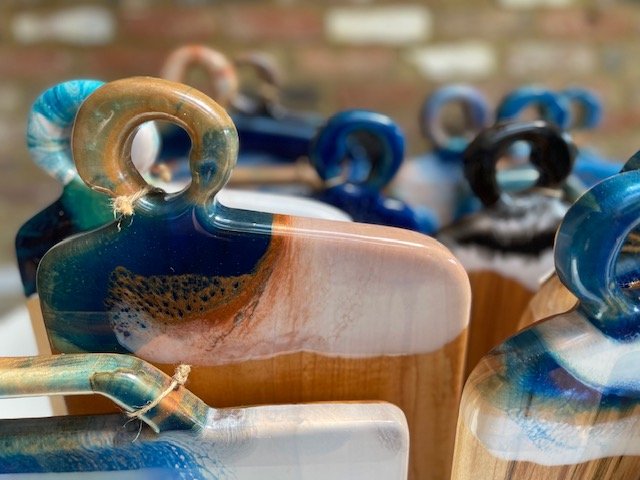
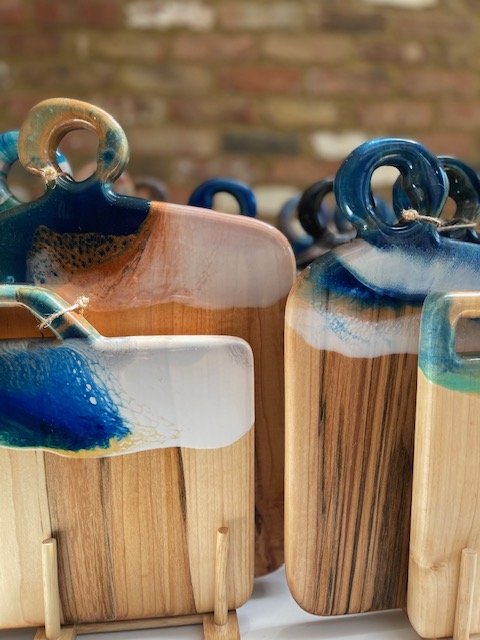
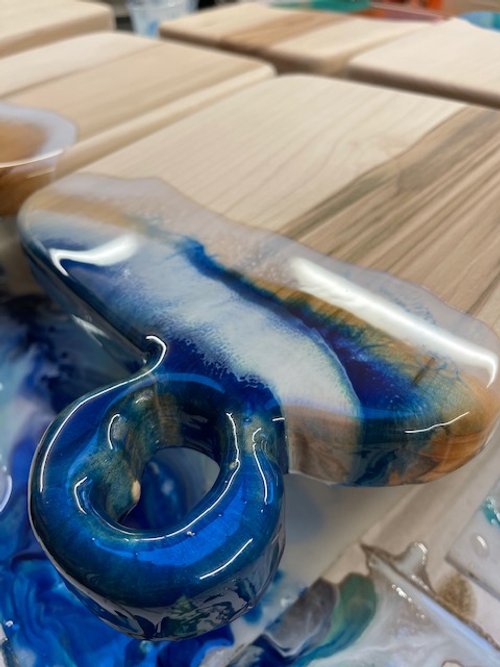
This week at SoLo we had a chat with Cameron from Ernest & Cooper about the ideas and process behind his handcrafted custom furniture and bespoke home accessories. You can find a selection of Ernest & Cooper pieces in the SoLo Pop-Up Shop until the end of July. If you’re on the lookout for a Father’s Day gift for the dad who loves to cook, these handmade maple wood and resin charcuterie boards are perfect!
What’s the story behind your business?
My business was Inspired by my grandpa Ernest (who was a carpenter and ship builder) and coming from Canada my love for creating with wood was in my blood. That early introduction into woodworking really propelled me on this journey to inspire my children Freya and Cooper. Thus Ernest & Cooper Woodworks Co. was born.
What does your creative process look like?
My creative process starts out with ideas I have in my mind and also inspiration from all the other amazing woodworkers and makers all over the world. Social media is such an amazing tool to connect with other likeminded makers from every corner of the globe. I create everything on my own in my home wood workshop that I built on my property in 2015.
What advice would you give to other makers looking to start selling their work?
Any tips for other makers I would say is just go for it! Get stuck in and don’t be afraid to make mistakes. Everything is a learning process and no mistakes are a negative as you can always take a positive from everything. That and make sure to support and champion fellow independent makers and brands. Being part of the maker community is one of the greatest parts of running a small business.
Head to https://ernestandcooper.com/ to explore the Ernest & Cooper collection.
If you would like to know more about having your products in our pop-up shop, please head to our applications page here.
Indie Edit - Inkwell Designs
*This is a paid feature
Meet Inkwell Designs, a homeware and fashion accessories company with a focus on sustainability and zero waste.
SoLo Craft Fair sits down with founder of the brand, Nicola, to discuss how the brand has evolved and the inspirations behind her quirky designs.
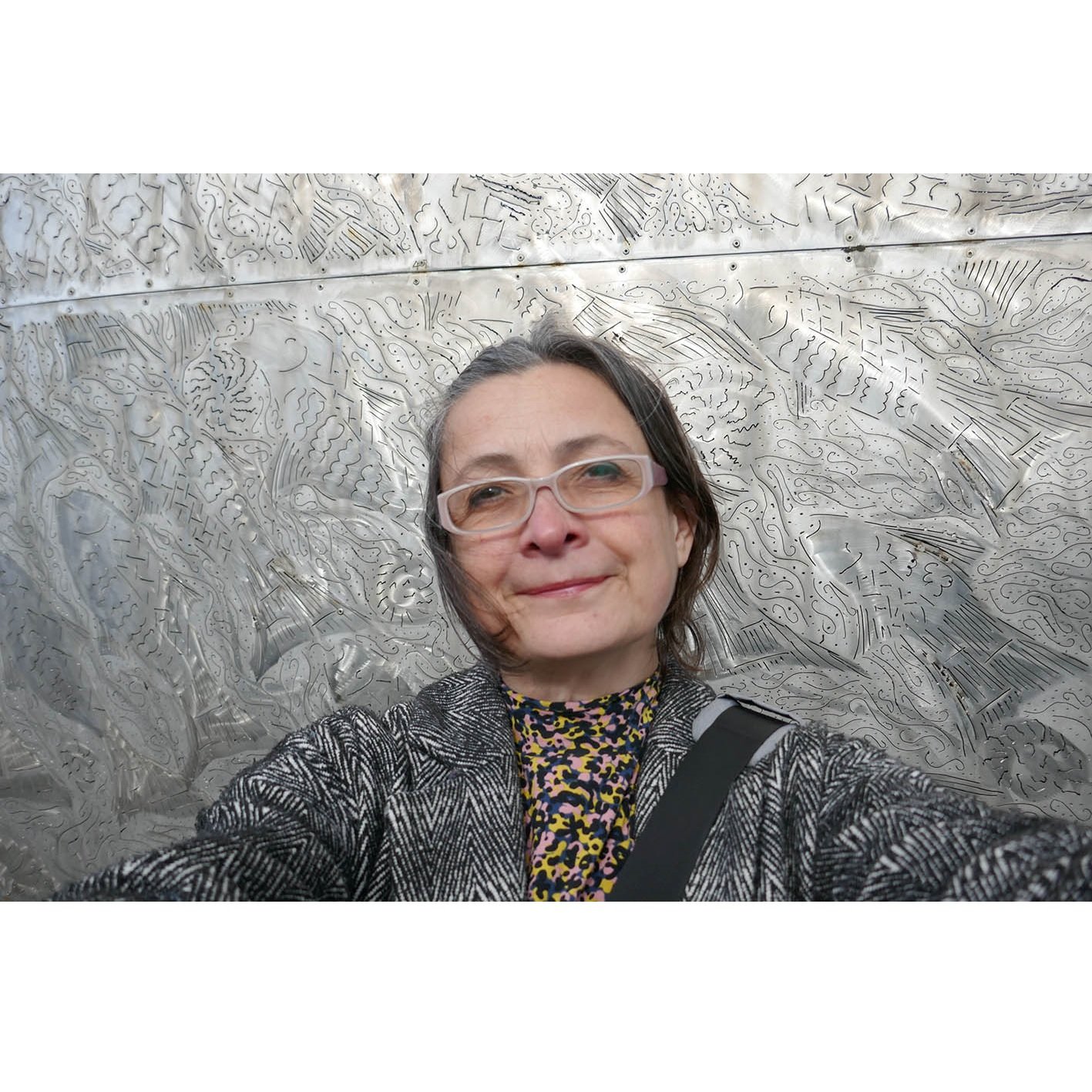
“Hello, I’m Nicola Erdpresser, founder of Inkwell Designs. As a freelance graphic designer and stained glass artist I enjoy making marks, and working with graphic elements, colour and light. I studied Typography and Graphic Communications at Reading University and have worked for most of my career in book publishing.”
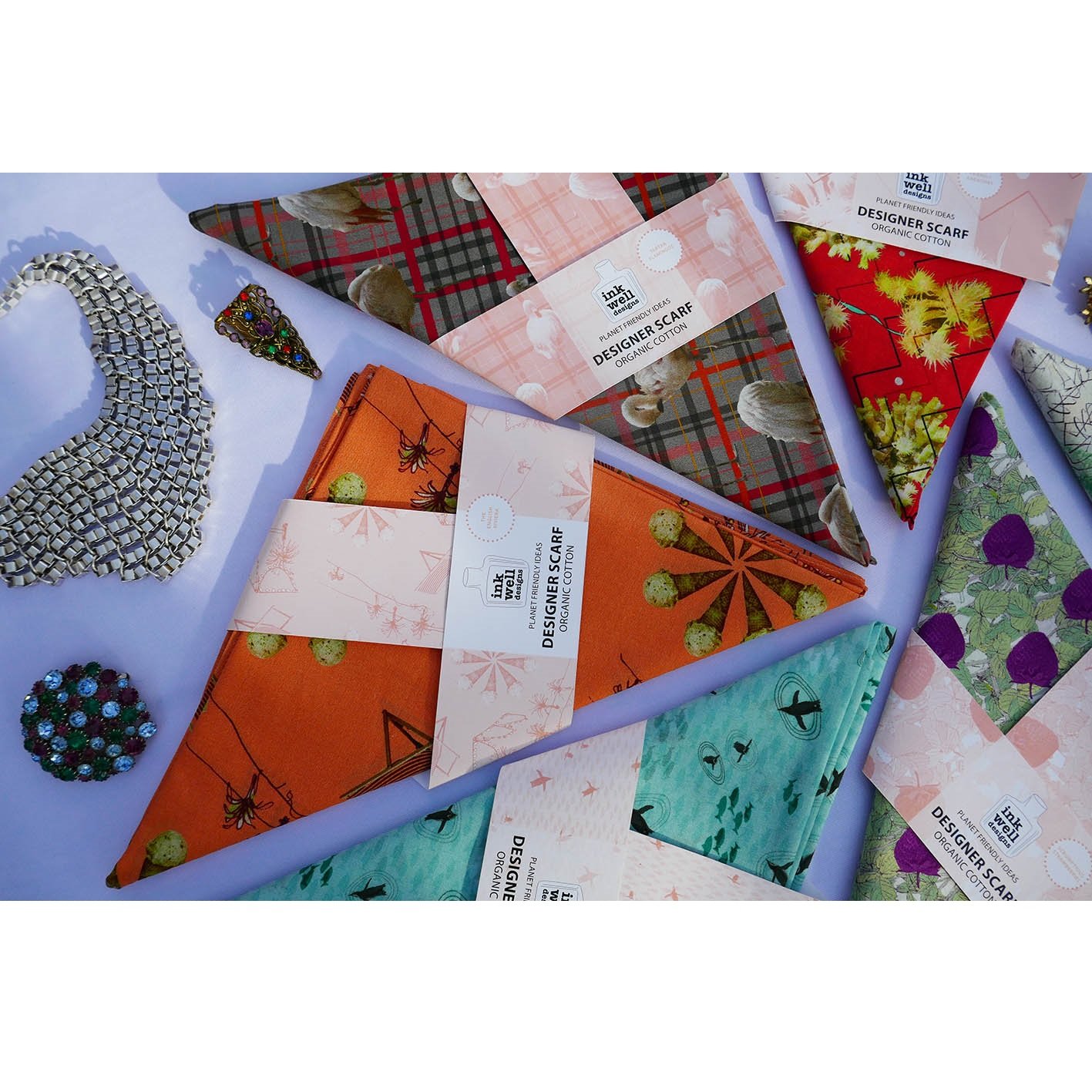
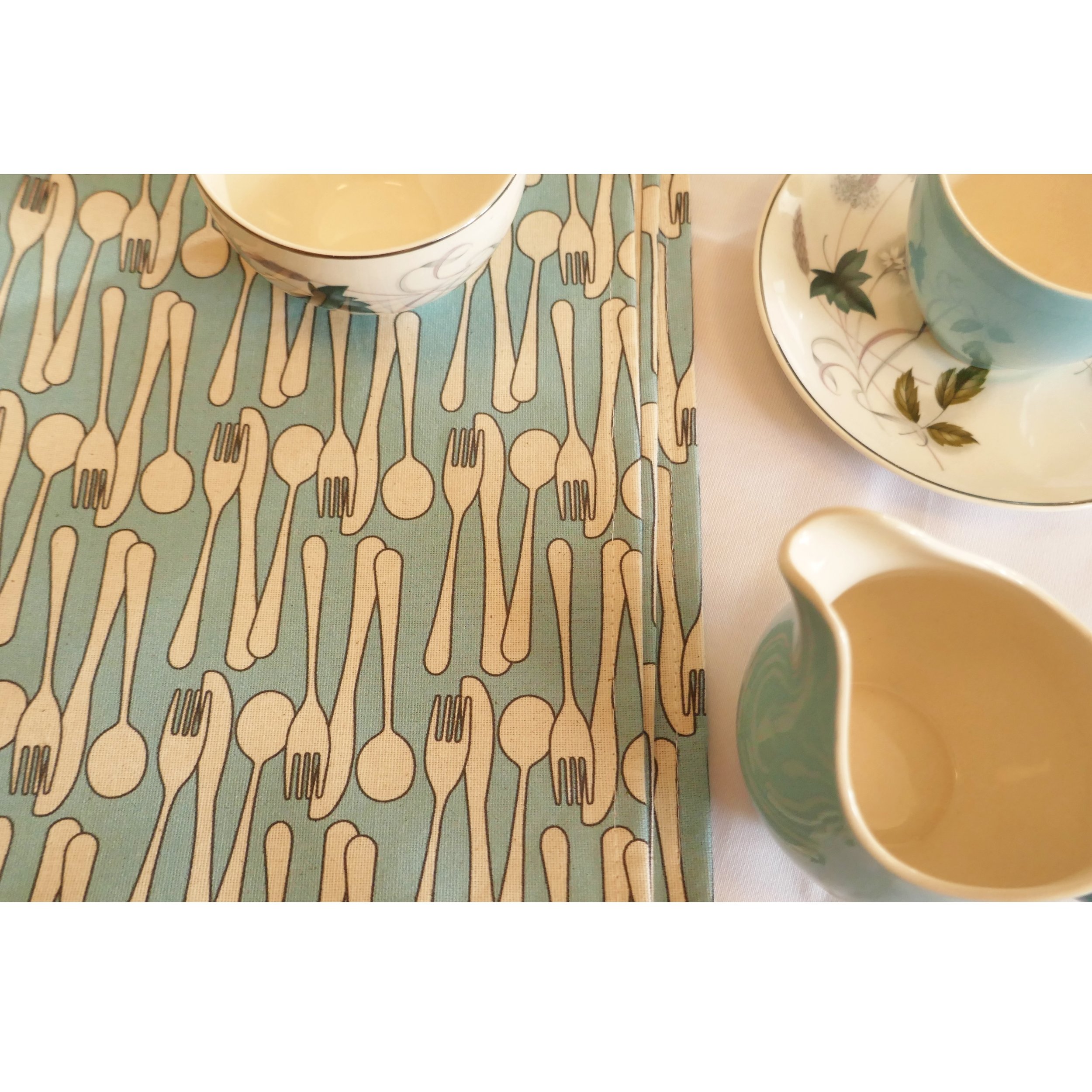
“Having discovered a love of making colourful patterns I’ve been developing my collection of products with a focus on being sustainable and kind to our planet. I’m an environmental campaigner and started off with a zero waste cutlery bag, then moved on to scarves and tea towels in organic cotton.”
“In 2020 during the pandemic, I kept creative by running an online sketching hour per week with a group of like-minded people. A selection of these drawings have been printed as greetings cards on recycled card and are available in the shop.”
“You can find out more information about my stained glass at www.stainedglassartshop.co.uk and freelance graphic design at www.designcreateinnovate.co.uk.”
“I am passionate about creating beautiful, original designs in small scale production and in a way that is environmentally friendly. My collection includes organic scarves, organic tea towels and cutlery bags, plus some greetings cards printed on recycled card.”
“Inkwell Designs is built on three core philosophies: my original designs, made in small scale production, and all in a planet friendly way. We love bees and in an effort to support their continuity, 1% of our sales will be donated to Bumblebee Conservation Trust via Work for Good.”
“Everything is made in the UK in small scale production, meaning that my scarves and tea towels are limited editions. All packaging is custom designed and plastic free. ‘Slow fashion’ is the opposite of fast fashion and considers the way the textiles are produced. It advocates for buying better quality garments that will last longer, and values fair treatment of people, animals, and the planet along the way.”
“Using organic cotton reduces our environmental footprint. No toxic chemicals are used in the growing of organic cotton. It doesn't damage the soil, has less impact on the air, and uses 88% less water and 62% less energy. Conventional cotton uses about 16% of the world's insecticides and 7% of pesticides.”
“All of my products are still quite new, but I am looking to grow my range and create some organic cushion covers in a small selection of my patterns.”
“My top tip for other inspiring makers? To make something you feel passionate about and to enjoy the process of being creative.”
Want to learn more about Inkwell Designs? Find their products in the Indie Maker’s Shopping Guide, head over to their website to shop their full range and follow them on Instagram and Twitter for their latest updates.
Meet The Maker: Rose Brain Embroidery
This week we chat to Rosie Brain Embroidery about her incredible designs.
What is the story behind your embroidery business?
In the summer of 2020 I was finishing my degree in textile design and having just moved back home due to the first Covid-19 lockdown I was feeling quite lost and had no idea what I was doing. I was contacted about a job opportunity to be trained on the free-motion ‘Irish’ embroidery machine at Rachel Rousham Embroidery and I immediately applied! I had used the machine a little whilst at university but hadn’t really planned on specialising in it. After a couple of months I bought my machine and started creating my own work alongside my freelance jobs.
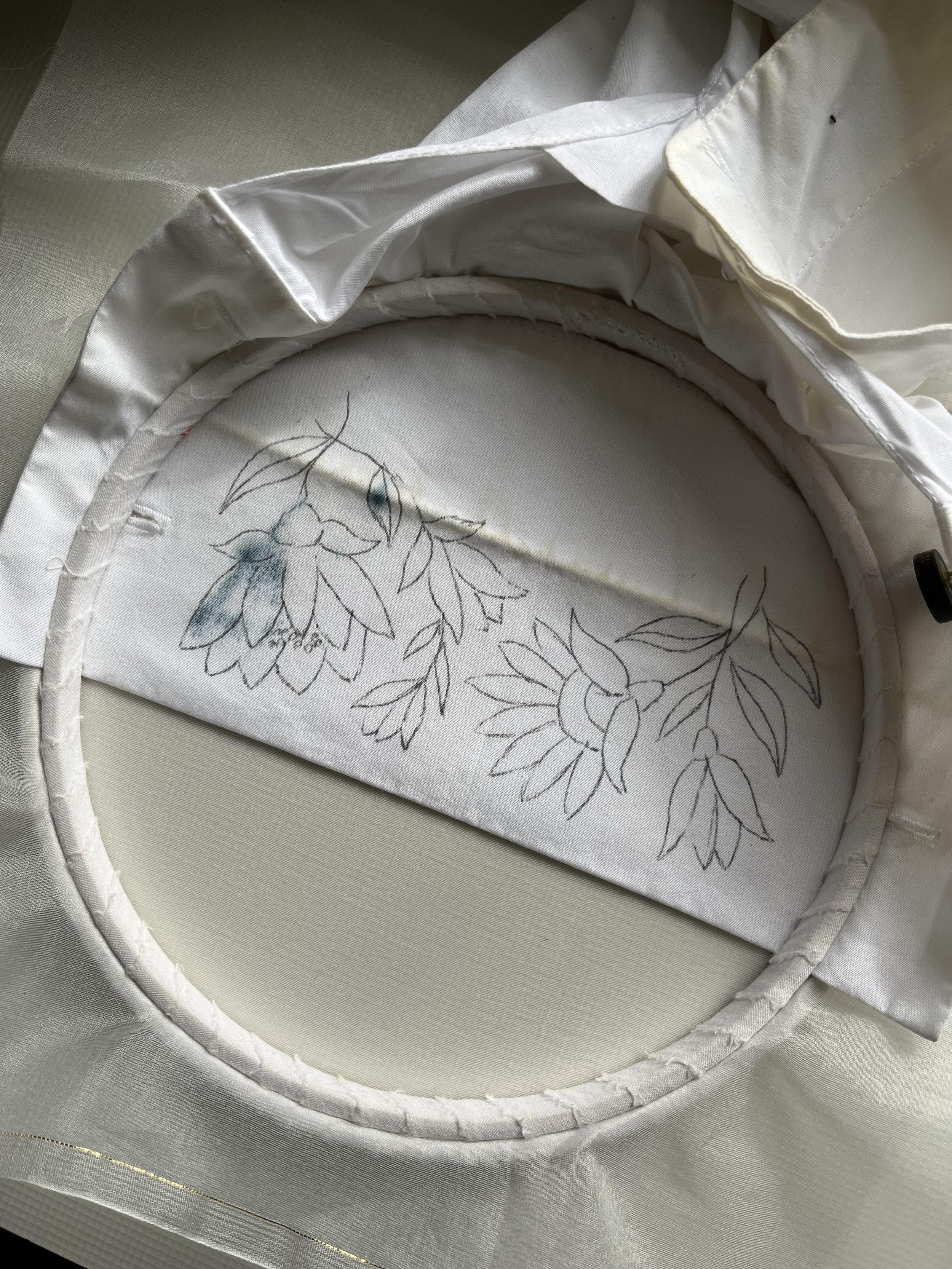
Since developing ornate visible mending techniques for denim during a university project, I have been passionate about finding exciting ways to extend garment life. The patches came about as a method to customise garments as well as being a wonderful way to cover holes and stains. They are all made in small batches on 100% wool felt which makes them perfect for stitching onto knitwear, and they also look great on denim. After discovering a hole in the cuff of a vintage blouse, I also began embroidering directly onto garments to cover holes, a more subtle method of repair that becomes part of the garment and look as if it was always there.
I now take on bespoke embroidery commissions and small batch custom embroidered patch orders, and have recently started running garment customisation workshops where you can learn how to stitch one of my patches onto an item of clothing as well as some basic hand embroidery techniques.
What does your creative process look like?
I take most of my inspiration from nature, as well as vintage/antique hand embroidered pieces, there is so much to be learned from them! I am often driven by the process itself, I love playing around with stitch direction and layering, and then will find a way to incorporate a particular effect into my work. For example the centre of my sunshine patch came about from experimenting with how light reacts to thread depending on the angle it’s stitched at. I also love to use unusual colour combinations, sometimes they don’t quite work but that’s part of the fun of it! I draw everything by hand which can be time consuming but I quite like the slowness and the repetitive nature of it. When I am covering holes and stains with embroidery I like to draw over the shape that needs to be concealed so that I can tailor the embroidery design to it, a few people have compared it to a tattoo cover-up which I love!
What embroidery machine do you use? And what advice would you give to others thinking of investing in an embroidery machine?
I use a Juki LZ-271 free-motion embroidery machine, which is a modern version of the Singer Irish embroidery machines which sadly aren’t made any more. Nothing is programmed onto the machine, the fabric is guided by hand, with the stitch width controlled by a knee presser and the speed by a foot pedal.
My advice when buying a machine new would be to find a local stockist if you can so you have access to a technician if something goes wrong. For this machine specifically I would say keep your fingers away from the needle and don’t stitch when you’re tired!
As well as machine embroidery, you also create intricate textile sculptures, can you tell us a bit about these?
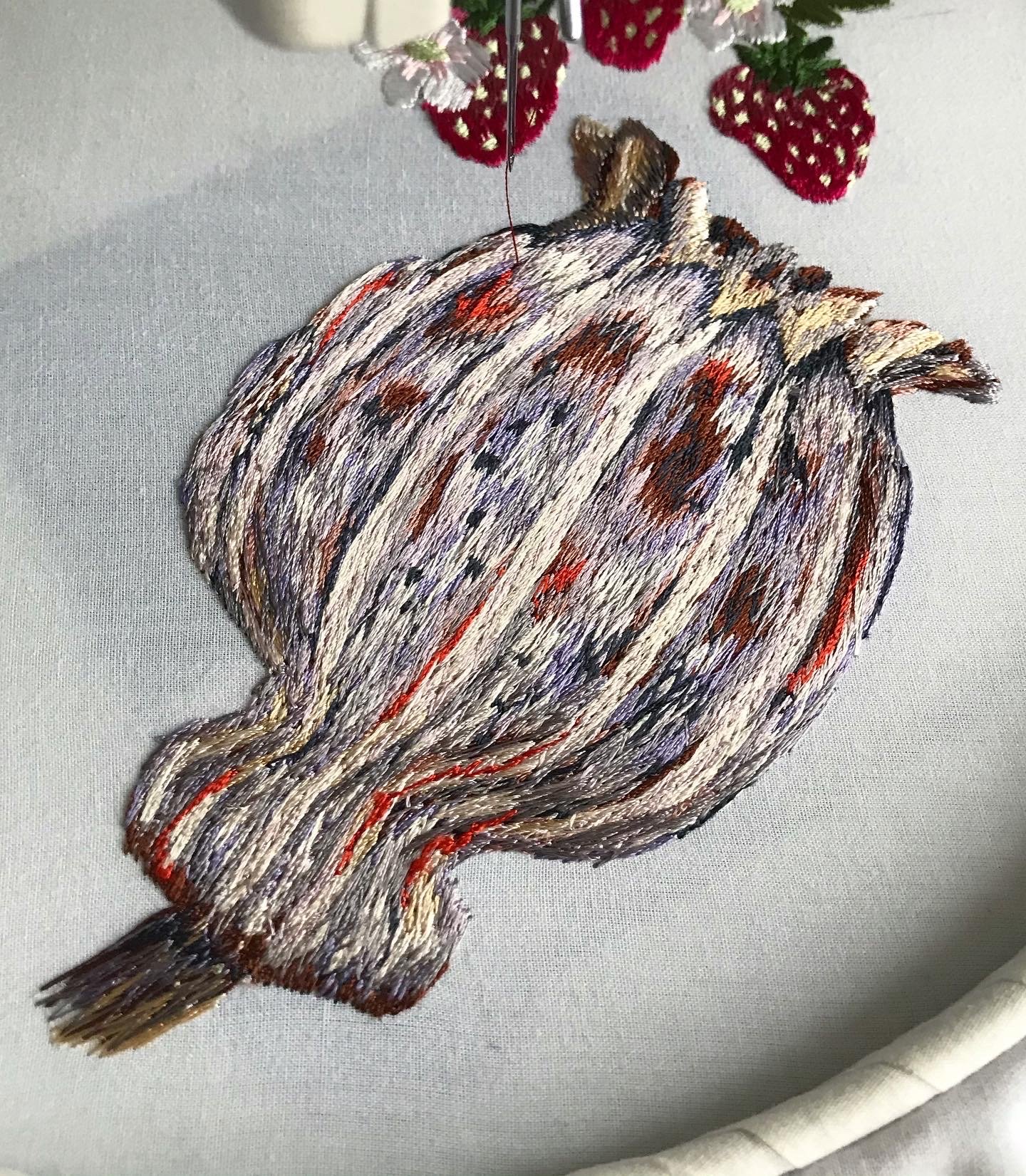
I first began creating my textile sculptures during the final major project of my degree. They were originally inspired by the textures and colours of thistles, flower heads and dried seed pods. I was developing techniques on the Irish embroidery machine when the first lockdown began and I moved home, so I had to figure out how to translate the machine techniques into hand embroidery. Since I got my machine I have been experimenting with combining the machine embroidery with hand stitching techniques. The sculptures are made up of many layers of satin stitching, combining machine embroidery threads with hand-stitched sections made up of raffia, tapestry wool, and various threads that I find in charity shops. I love creating contrasting hard/soft textures, as well as experimenting with different ways to layer colour for effect. The pieces are shaped by attaching them to lycra after the bulk of the stitching is complete. I never really know how a piece is going to look until the very end which can be a bit nerve-wracking, particularly after spending days on a piece but is also quite exciting!
Other than Solo Craft Fair pop-up shop, where do you sell/exhibit your work?
Currently I sell my work and take commissions through my website and Instagram, as well as markets and pop-ups including A South London Makers Market and Women Will Create. I also do mending with embroidery and customisation projects for The Seam and Make Nu. I’m also hoping to start exhibiting my textile sculptures later this year.
Change Your Shopping Habits and Make Every Day Earth Day
We all know that our shopping habits have a huge impact on the environment, whether it's the carbon footprint of the next day Amazon delivery, the single use plastic packaging that so many big brands still use, the non-recyclable receipt paper, or just a cheaply made item that is not built to last and will therefore end up in landfill far too soon. We are becoming more aware of our environmental impact as consumers, but how do we change our habits?
One huge change that you can make is to start shopping small.
When you buy an item from one of our markets you can chat to the maker about their materials and the environmental impact of the product. Our makers are experts in their field, and can answer all of your questions about the production process. Often with big retailers it's possible to find information you can trust.
Buying a local handmade or bespoke item means that it is built to last. Once you've met the maker, learned all about their business ethic and creative process, you will love your purchase that little bit more, and you'll be more likely to keep it forever. Plus products made in the UK by local makers don't carry the carbon footprint of products mass produced abroad.
By shopping at our pop-up shop, not only do you reap all these environmental benefits of buying from local artisans, but your purchases help us in our work with the UNA Eastbourne to plant Mvule trees in Uganda. We also keep plastic to a minimum in our shop - giving preference to traders with zero waste packaging, and environmentally conscious products.
If you want to find out more about shopping small with us at our pop-up shop in Elephant & Castle, head to this page. If you’d like to know about our upcoming markets, please head here.
Meet The Maker: myReusables
This week we caught up with Caroline from MyReusables who told us all about her passion for eco friendly products.
What is the story behind your brand?
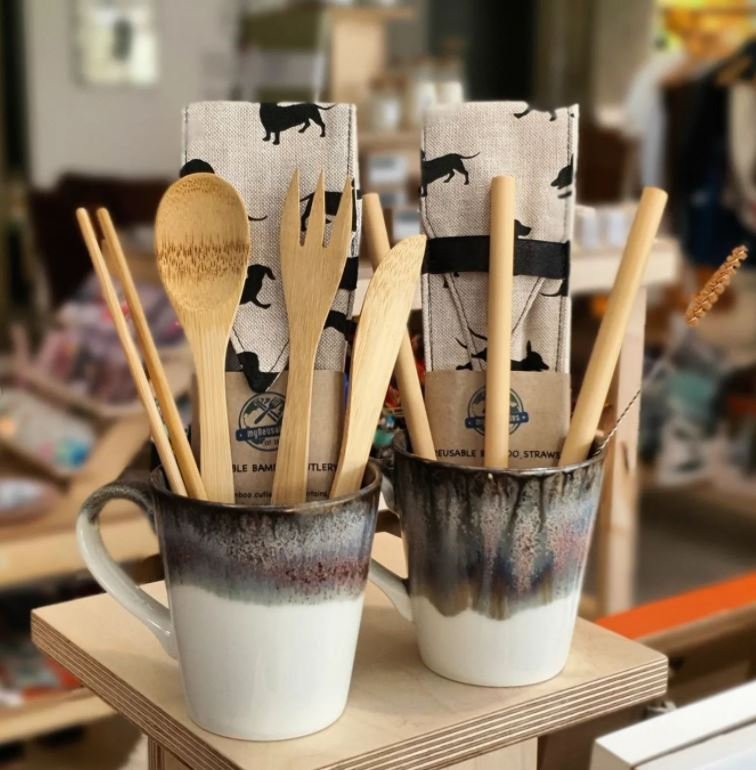
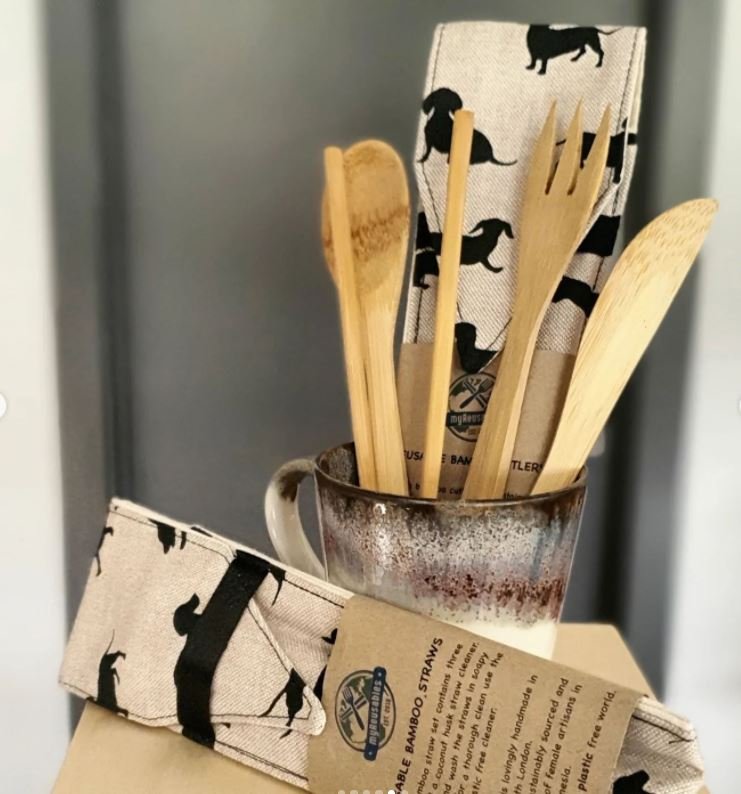
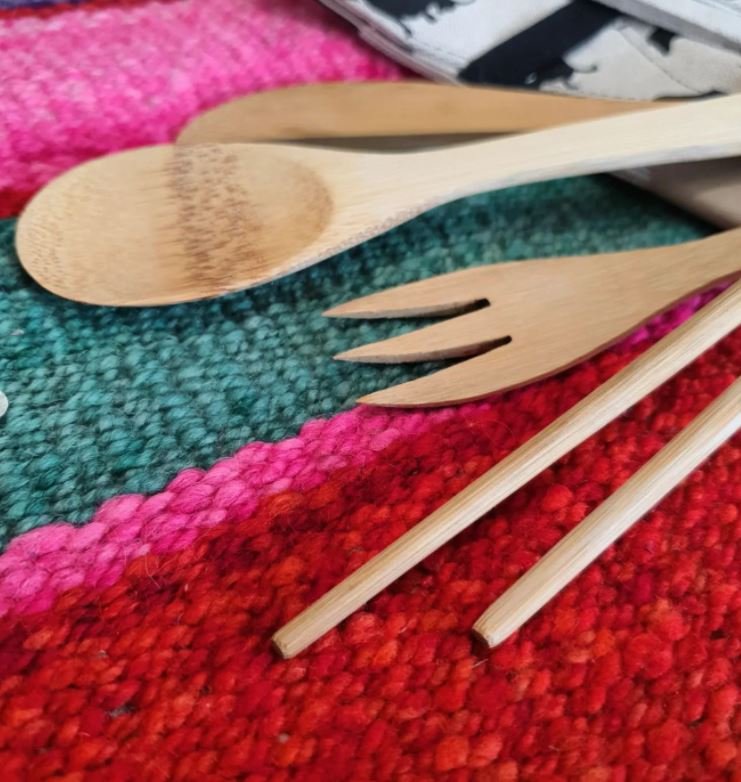
Trying to be more sustainable and make green choices is something that’s really important to me. Seeing how much I was throwing away on a daily basis just didn’t sit right, so I decided to do something about it. There was a lot of talk about carrying your own reusable cup and bag, but I thought about what else people need when out and about and decided cutlery and straws were an easy swap from single-use to multi-use. So in 2018, with the help of my mother-in-law Pat who made some of the first pouches, I set up myReusables and did my first ever market selling bamboo cutlery in fabric pouches, perfect for on the go, at a festival or a picnic. Since then I’ve expanded my range of products and make many things from repurposed fabrics, such as bags, make-up remover pads, bowl covers and napkins (named scrapkins) to name a few. I feel small changes to our habits and making greener choices really can make a difference.
Do you make your products yourself or do you source them?
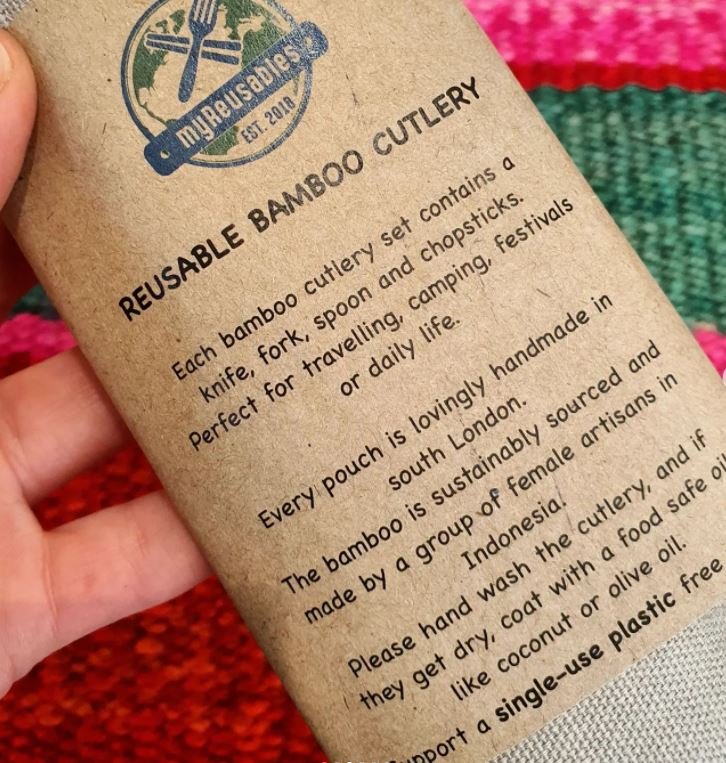
Most of the products I sell I make myself. However the bamboo cutlery is something I source, and I wanted to make sure I knew where is came from. When travelling in Bali a few years ago I heard about a social enterprise over on the island of Lombok, Indonesia called Gumi Bamboo. They help women get out of stone mining and instead help them work in a safer environment making earth-friendly products. So I’ve collaborated with them and they make the bamboo cutlery and straws along with some produce bags from up-cycled materials from the dress making industry in Indonesia.
Do you run MyReusables full time or do you have other jobs/businesses?
Up until the end of 2021 I was running myReusables on the side of a full time job as a TV Director. But recently I’ve realised my main focus has changed and I want to put more of my time and effort into running my small business. I love doing markets and chatting to people about green initiatives and things we can all do to make a difference, and I was finding I was having less spare time to do this. So at the end of the year I made the hard decision to leave my full time job and concentrate on running myReusables and making a difference. I’ve also been working in a refill shop called BYO in Tooting market, which is great to meet like minded people who want to find ways to limited the amount of packaging they throw away.
You currently have your products stocked in the SoLo Craft Fair shop, but where else do you sell your products?
Now I have the time I am doing loads of markets around London, which I’m absolutely loving. My full range of products can be found at the markets and I’m often at Venn St market in Clapham, Canopy at Kings Cross and Feast in West Norwood…to name a few. I keep my bio on Instagram updated with where I’ll be. I also sell a range of products on etsy.
Meet The Maker: Wild Little Rose
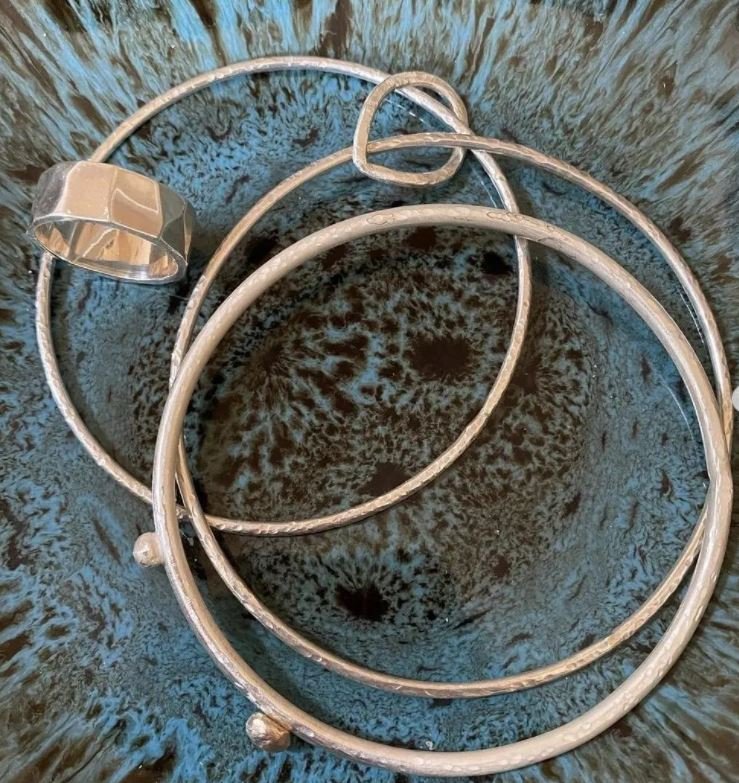
This week we reached out to Solo trader Róisín from Wild Little Rose to ask her all about her jewellery designs. You can find her jewellery in our pop-up shop until the end of March.
What’s the story behind your brand?
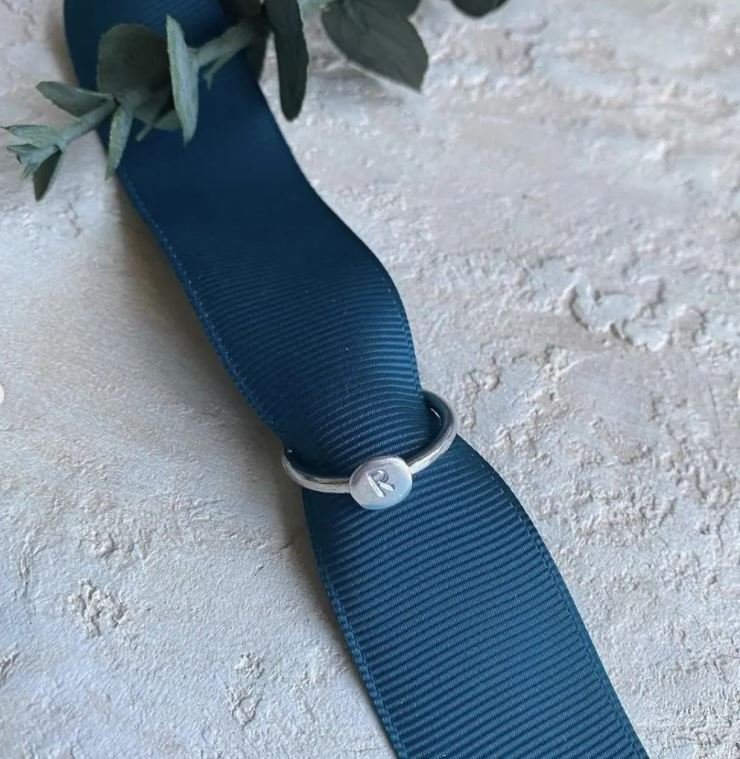
I’ve always loved jewellery and started making in 2018, after trying a couple of evening classes in London’s Hatton Garden. I instantly became transfixed by the process of creating jewellery from scratch- the processes involved seemed magical somehow! I knew pretty soon after that, I wanted to make this craft into a business of my own. My making started shortly after I’d had my first little boy and having my own business gives me flexibility which is really valuable; so that’s my main motivation for making it a success.
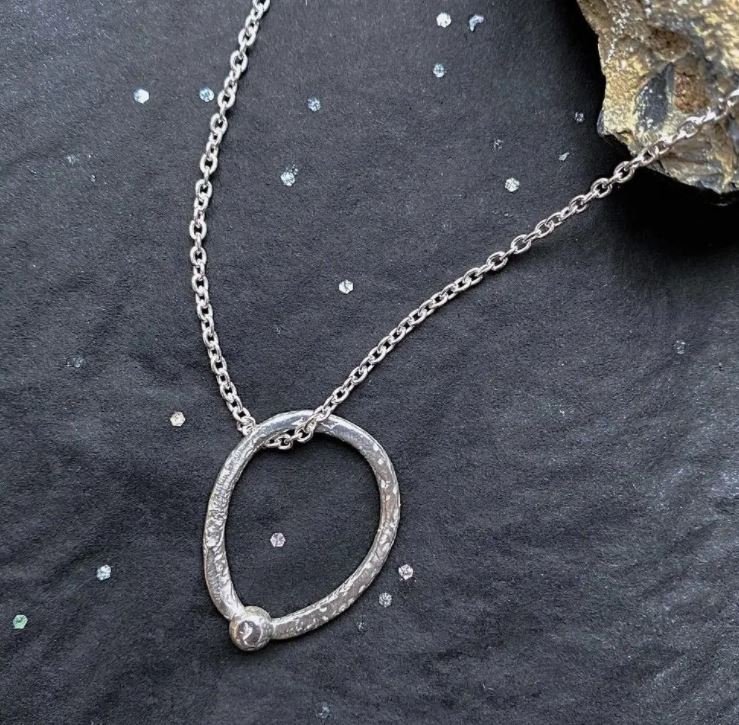
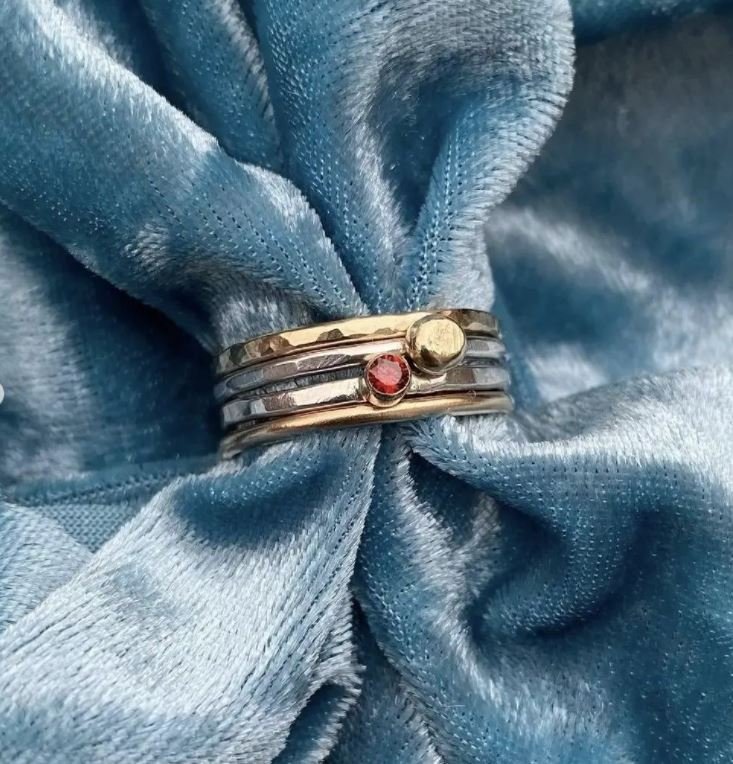
In terms of my style, I started by making stacking rings, simple hand stamped pendants and beaded pieces. After experimenting with different techniques I settled upon traditional silversmithing techniques as my main focus, but very much with modern design at the heart of my process. My signature style is modern jewellery, full of texture, that can be worn every day.
What are your favourite materials to work with?
I use recycled sterling silver as the basis for most of my work. Sustainability is really important to me and I also make in small batches, mostly to order. In terms of other materials I actually really love mixing metals, so I use accents of gold- with silver- in some pieces. As well as texture, the other key element to my style is colour. I incorporate colour in two main ways: enamelling and gemstones. Enamel is made of tiny glass particles and is fused with sterling silver at a very high temperature (in my kiln!) to give a beautiful vibrant layer of colour. I’ve recently started using some ‘stones’ in my work which are repurposed materials called surfite and fordite. Surfite is a byproduct of surfboard production – created as a result of a build up on the resin applied to the boards. Similarly, fordite is a build up of hardened car paints. The colours in these two materials are pretty impressive and it’s a wonderfully sustainable way of working while creating aesthetically interesting designs.
What does your creative process look like?
In terms of designing, I do a mixture of things. Often I’ll do a rough sketch with annotations in my sketch book and then go straight to my bench to assemble the different elements and see how it works practically. Recently I’ve experimented with creating mood boards, filling them with pictures of things which have inspired me on my day to day travels. Sometimes a certain theme will stick out when you look at a mood board and that will inspire a piece or collection. Most recently my collection of photographs from urban environments have inspired me to create geometric pendants enamelled with the dominant colours from the board.
You currently have your jewellery stocked in Solo CraftFair, where else do you sell your work?
I sell through my own website: www.wildlittlerose.co.uk where you can find my collection pieces. I also take commissions- so feel free to contact me through my website or instagram: @wild_littlerose. I also sell regularly at craft fairs across London and Kent. I’ll be at Flea London in Vingear Yard, SE1 on May 29th.
Meet The Artist: Sufian Ahmed
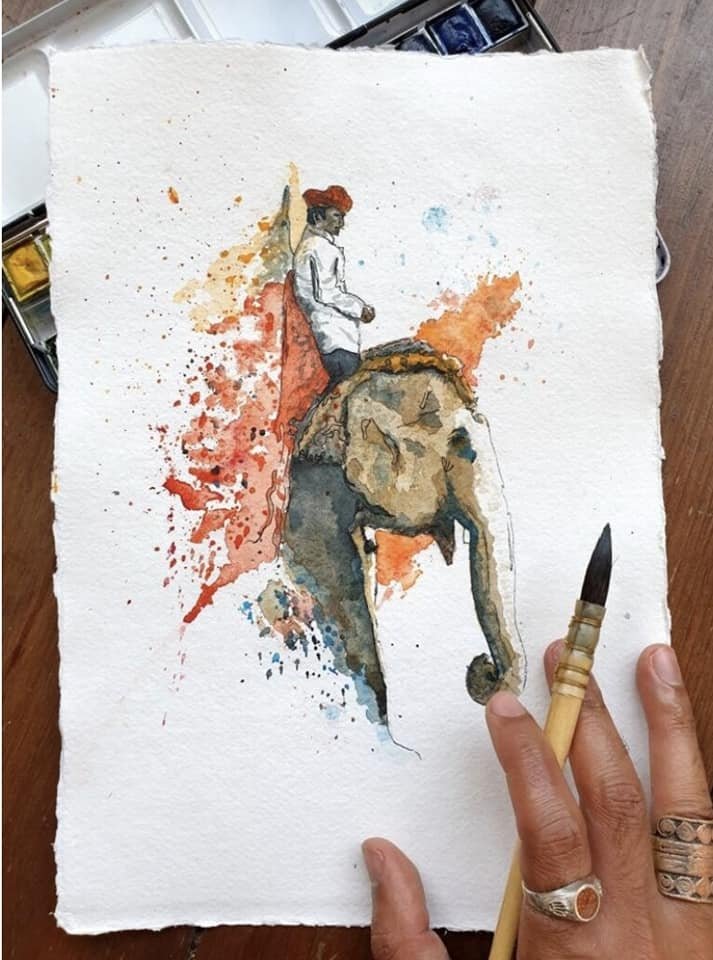
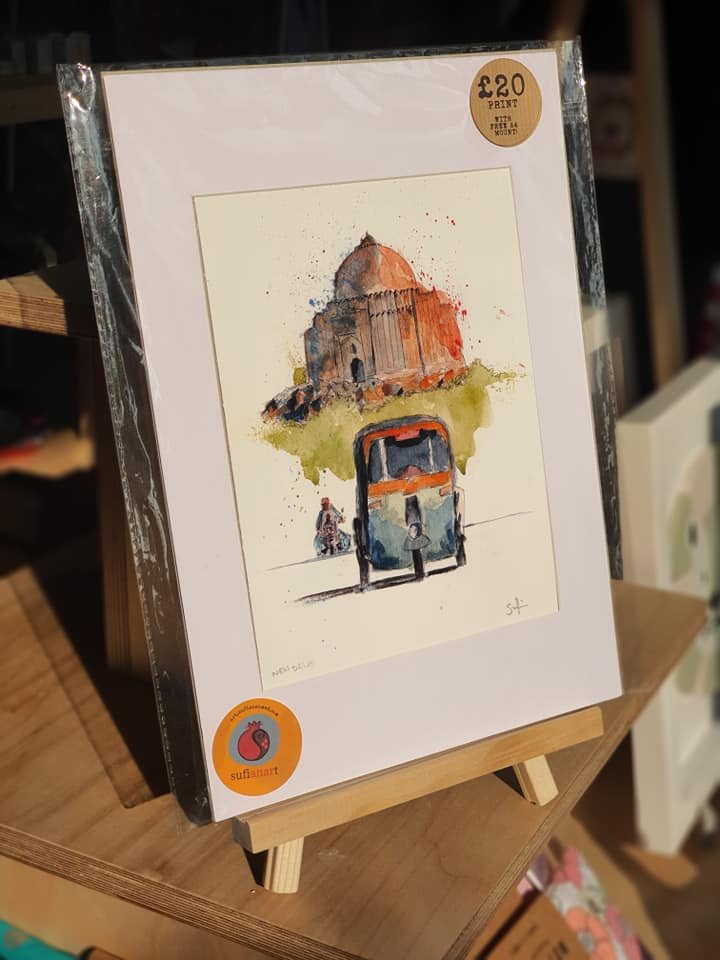
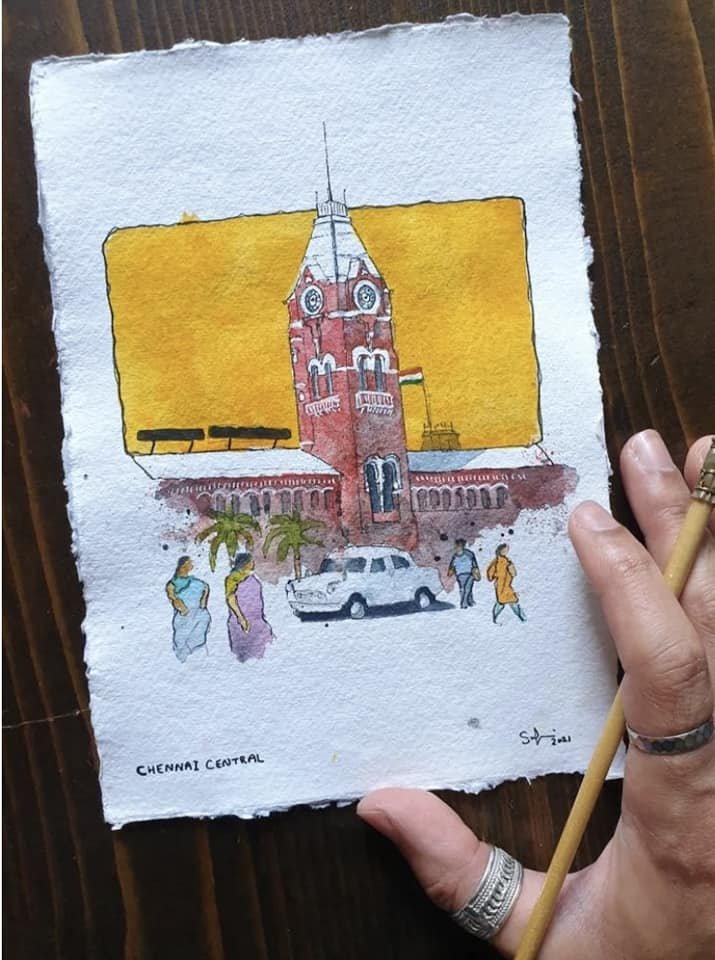
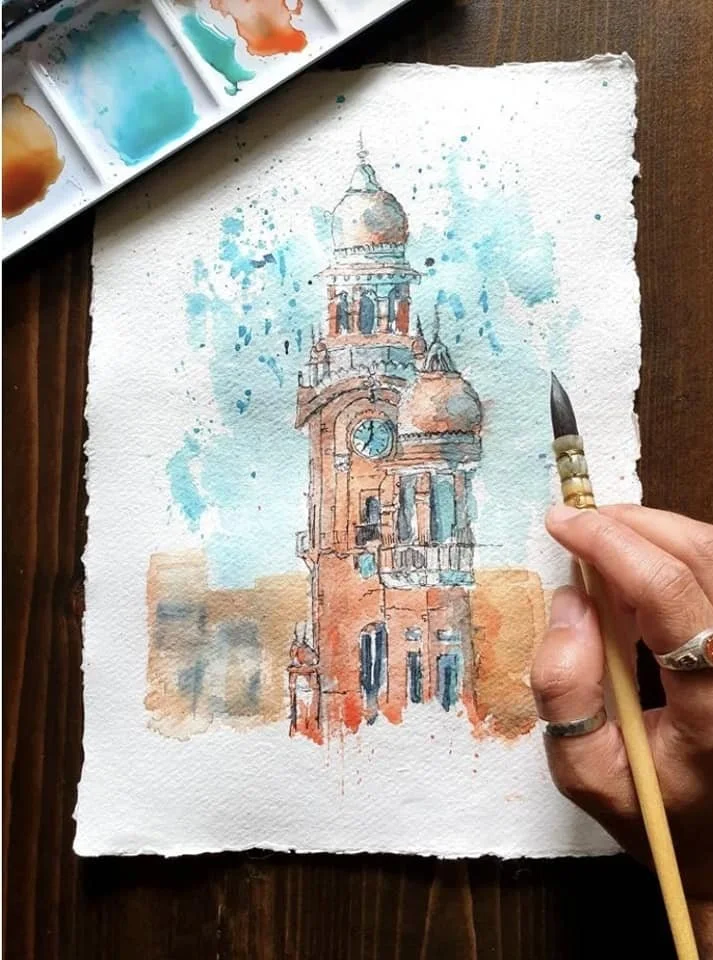
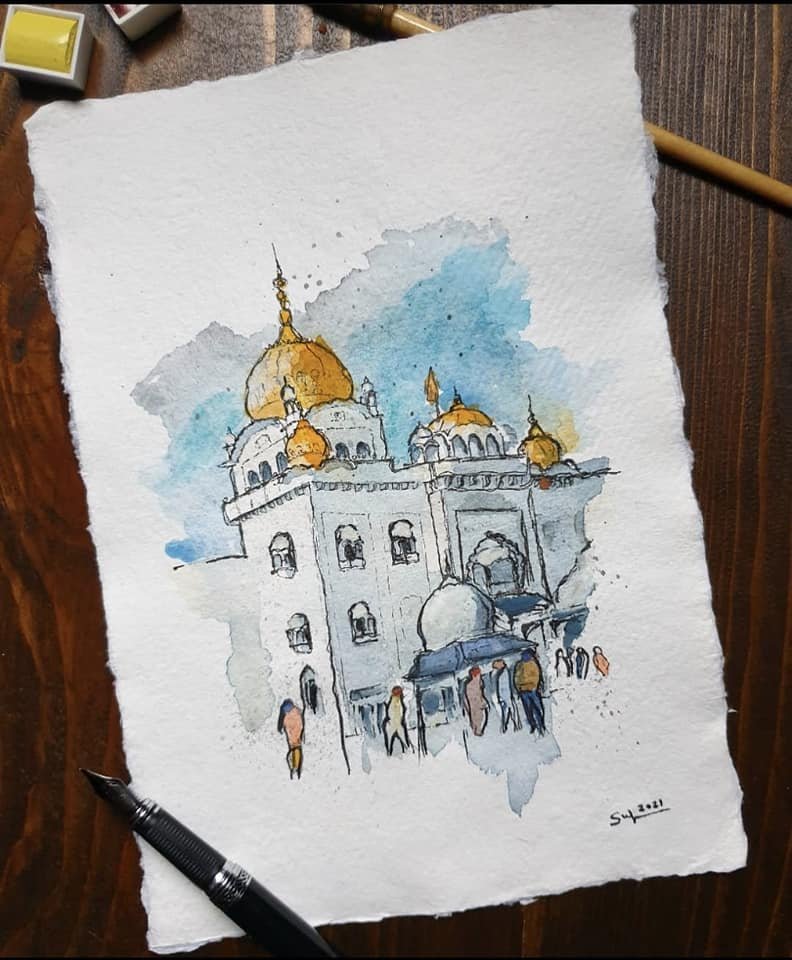
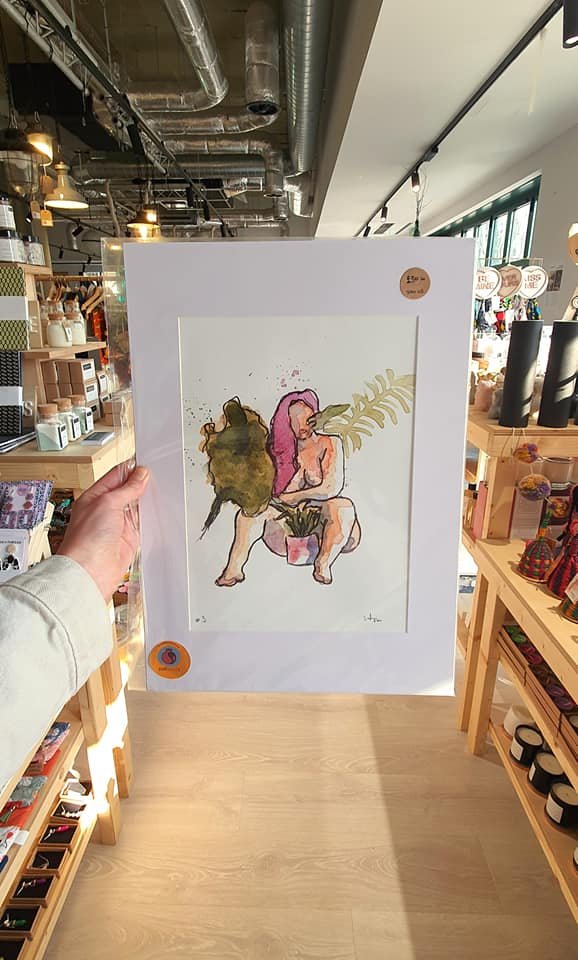
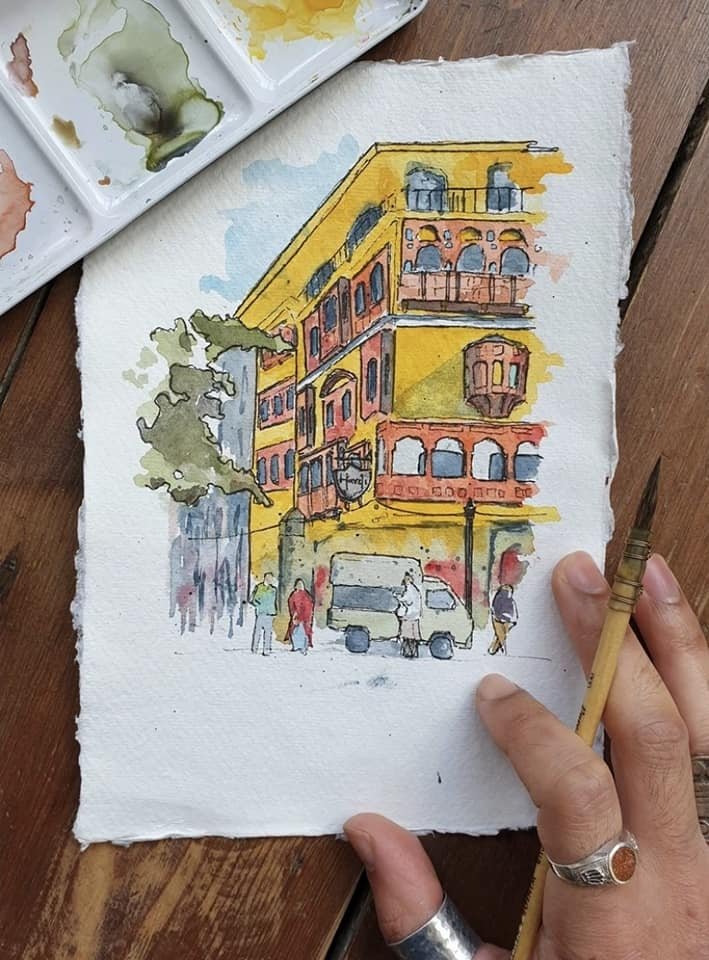
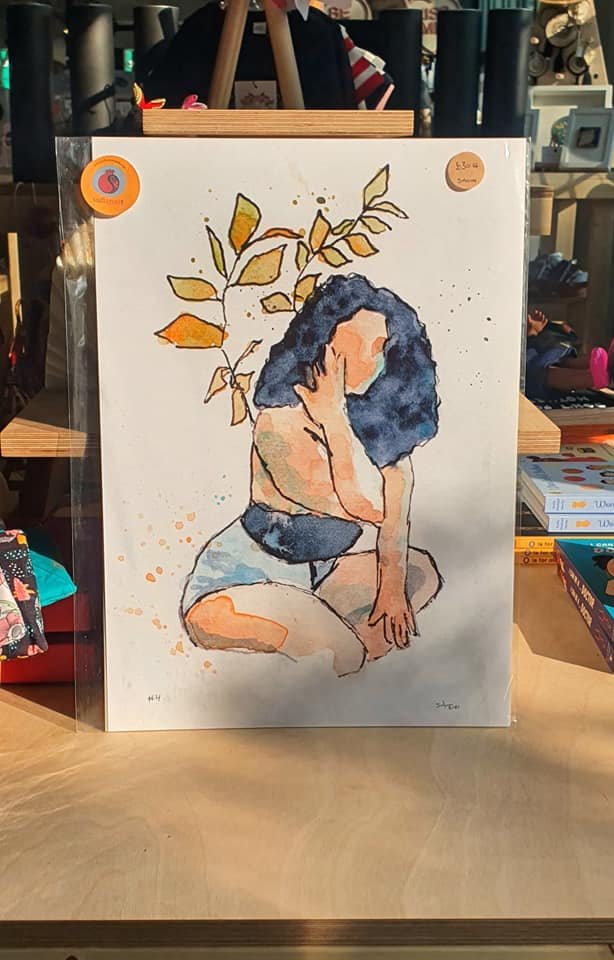
This week we spoke to artist Sufian Ahmed about his beautiful watercolour prints in our pop-up shop. We'll have his work in the shop up until the end of the month so make sure you pop in!
What was your journey to becoming an artist?
I've been drawing since I was a wee boy and did so every now and then when growing up but without any real dedication. It was only during the beginning of the pandemic when I was put on furlough from my job that gave me the time and opportunity to really practice my skills. So here I am!
What is the story and the meaning behind your art?
I've been lucky enough to have been brought up in both British and Pakistan cultures. I love representing my Pakistani side where the inspiration for my art comes from from its music and architecture.
What does your creative process look like?
I start off with sketching what I want to paint in pencil or sometimes directly in pen. Watercolours are my favourite medium. You put the wash down and it can be unpredictable how the water will flow on the paper, and I love that!
You currently have your prints stocked in the SoLo Pop-Up shop, but where else do you sell your work?
I have an online Etsy shop where I sell my originals and prints at http://sufianart.etsy.com
Where and how to sell your products
You’ve made your products, you’ve worked on your branding - now what? It’s time to start selling. This blog will talk you through the best ways to sell your products - starting from one off sales to how to get into wholesale (however, I strongly recommend starting with the former!).
Markets
Markets are a brilliant, relatively low cost way to get exposure for your products. The reason why I’ve put this first is because you get immediate feedback on which of your products people are drawn to - selling online doesn’t give you this insight.
Research the market before applying to one - think about the location in which the event is taking place and if this demographic is likely to be interested in your product - also have a look on the market organiser’s socials to see photos and videos of previous events to see what the event is like. Take a time to look at other maker’s market setups - some of these can be really impressive - use your creativity to think about the best way to showcase your products.
SoLo Craft Fair
Online
Online marketplaces are a great way to start selling your products. Etsy is probably the most popular platform to sell from as the initial listing fees are quite low and most people using the website are interested in handmade products.
However, don’t just think it is as easy as uploading your products and waiting for the orders to roll in. You will need to brief yourself on basic SEO (search engine optimisation) . If you’re unfamiliar with this, the simplest way I can explain it is this: imagine you sell a gold necklace with a ruby on it, which you name ‘Midnight Dreams’ - no one on the internet will know to search for Midnight Dreams but there will be thousands of people out there looking for ‘Gold Ruby Necklace’. So title and tag your products with something more descriptive. As well as tags, titles and descriptions, there are lots of other SEO tips and tricks to help make your products visible, and the internet is full of guidance and advice for those just starting out.
In addition to Etsy, you can sell on Amazon Marketplace, Depop, Folksy and Numonday.
Boutique Shops
Many Boutique Shops are interested in selling unique products from small businesses and this is a great chance to get your products stocked in a shop. Follow these shops on social media to see if your products would compliment their store and other stock. Most boutiques will reach out to makers they think will fit in their shop but try emailing the occasional shop - but remember not to spam! Note that most shop will expect to pay 50% of RRP.
Trade Shows
Now, Trade Shows are a big investment, so only do this once you’re very confident in your product and brand. To hire a stand at a trade show you’re looking at least £1000 with lots of additional costs. But if successful, a trade show could get you stocked in some of the biggest shops. But I really recommend doing your research prior to singing up. One of the most popular trade shows is Top Drawer.
To see what trading opportunities we have here at SoLo Craft Fair, please go here.
The Best Things to do in Elephant and Castle
The SoLo Craft Fair Shop now lives in Elephant and Castle. Over the last couple of months of being here, we have LOVED getting to know the area. There are so many incredible independent shops, restaurants and unique museums. Here is our list of the best things to do in Elephant and Castle.
Little Louie’s
Little Louie shares the same space with us in Elephant Stores. Not only do they serve the best coffee we have ever tried - and they also serve delicious cocktails, DJs and Happy Hours. The vintage furniture in the cafe bar is provided by Vintage Matters and everything is for sale.
Fix Your Cycle
This is another shop mate of ours! Fix Your Cycle is a social enterprise that works with prison to teach inmates a vocation. The can also fix your bike on site and arrange bike rides in the area.
400 Rabbits
400 Rabbits by far one of the best pizzerias in the area - the Dirty Vegan is to die for. We’re so lucky to have such great food right next door to us.
Four Quarters
Love beer? Love Arcade Games? Well, look no further, spend the night shooting zombies or playing Mario Kart whilst having a drink with friends. One of our favourite bars in the area.
Photo: Four Quarters
Greenpoint Market
A friendly shop for an Earth-gentle home, health and beauty based on Sayer Street. Come here for your refills and packaging-free shops.
Photo: Greenpoint Market
The Cinema Museum
Based on Dugard way, this hidden gem preserves the history of cinema in their collection. They also host a range of unique film showings.
The Imperial War Museum
The Imperial War Museum has always been an important, educational visit- now more than ever. Their museum is based towards Lambeth North station next to the Tibetan Peace Garden.
Mercato Metropolitano
London’s first sustainable community market filled to the brim with delicious food stalls, bars, DJs and more. Crafty Fox Market and Greenrooms Market both host regular events here.
The Nunhead Gardener
The ultimate stop for any plant lover - The Nunhead Gardener is filled to the brim with beautiful plants, pots and other green based products.
The SoLo Craft Fair Shop
To find out more about the SoLo Craft Fair Shop, please go here.
Celebrating International Women's Day with Klaudia Bodach from BLSSMGOODS
Happy International Women's Day! Today we are celebrating women, diversity and body positivity with one of our amazing traders, Klaudia from BLSSMGOODS and her beautiful body sculptures.
Klaudia, What is the story and the meaning behind your art?
'Our story began when I was just starting out with sculptures and one of the pieces came out imperfect, with cuts looking like lines through the body. Thinking of the kintsugi method, I painted it gold and posted results on TikTok. People have absolutely loved it and said it looked like stretch marks! I loved the idea and began creating more and more goddesses with different marks such as c-section, sh, ostomy bags or customised ones, such as scar after heart or spine surgery. I get a lot of messages and requests for custom pieces and I absolutely adore doing those. Knowing I brought a smile to someones face by their body being represented in art makes me happy'.
What does your creative process look like?
'I get inspired by other bodies and sexually positive art. I love shibari artwork and I wanted to include that in our sculptures. I also often work with customer's pictures to personalise figurines for them as much as possible in hope to bring more body positivity into world'.
What tips would you have for any other artists or makers looking to start selling their work?
'Believe in yourself and your art. I didn’t but I have the most supportive partner that did that for me! :) I still can’t believe that I do this for living! But on the practical side of things, I found that Etsy workis very well for us and markets of course! I think meeting & talking to people is the best way to promote your art!'
You can find Klaudia's beautiful sculptures in our shop until the end of April.
Indie Edit - Palmer Crafts
*This is a paid feature
SoLo Craft Fair sits down with Rebecca from Palmer Crafts to discuss how a spontaneous resin-making-kit purchase led to the start of a brand new business.
“My name is Rebecca Palmer and I’m from Catford in South East London. I’m the founder of Palmer Crafts.”
“As with everyone the Covid-19 pandemic had an effect on my daily life and meant that I had to work from home whilst looking after my two year old son.”
“I ordered a sample pack and a simple silicone mould to see if it was something I would enjoy doing. Having made my first creation I was hooked! I received an amazing response from family and friends and even started to sell some pieces which in turn led to the start of my very own business.”
“As my business is relatively new my goal is simply to build my brand awareness and to get more people to visit my website which will hopefully lead to more sales.”
“I live with the renowned London based street artist Nathan Bowen and we will be collaborating on a number of pieces going forward.”
Want to learn more about Palmer Crafts? Find their products in the Indie Maker’s Shopping Guide, head over to their website to shop their full range and follow them on Instagram, Facebook and Twitter for their latest updates.
Valentine's Day gift ideas from some of our Small Independent Makers
You may think Brazilian beachwear brand, Morena’s Choice, may be showcased in a post that is occurring somewhere around the same time the Northern Hemisphere starts tilting a bit closer to the sun - say in, August, perhaps. However, we like our gift suggestions to be original and therefore think gifting a sunshine inspired brand in the middle of winter, when outlooks generally include frosty roofs upon grey skies is actually the ideal time to start bringing thoughts of summer to your loved one.
“Hook on a nail on the wall and chose the perfect phrase for your partner, some might call that a clever multi season, multi-purpose gift “hack”
A few suggestions: firstly the hand embroidered, wide-brimmed hats are not only useful for the extra protection against those UV rays (which of course are coming in buckets by April, we reckon) but whilst one is waiting to put their statement hat on and start whistling along to “the sun has got his hat on” they make perfect decorative additions to the home. Hook on a nail on the wall and chose the perfect phrase for your partner, some might call that a clever multi season, multi-purpose gift “hack”. They are also decorated with love hearts in lieu of exclamation points no less! We have choices from “Good Vibes”, “Sunshine” and if your valentine is partial to a bit of sass “Not today”. Now, we think whilst they await the arrival of said sunny day if it is displayed in sight next to the coat rack, or mirror, every time they glance at it that the imagination will do a quick transportation and certainly activate some warmth neurotransmitters, both for the hat and the romantic devil who thought up such a surprise gift. Next suggestion: bodysuits that double up as swimwear. If anyone has the eye for vivacious and colourful prints, it’s native Brazilian, Liane, who embroiders the hats and sources the bodysuits. After over a decade in London she started Morena’s Choice knowing exactly what to choose when bringing her influence to London. The bodysuits can be worn over high-waisted jeans and underneath a cardigan - or used as swimwear and whipped out at your local leisure centre (why not?) or for your Harvard application video (Elle Woods would certainly approve) or on Brighton beach (until we get to Rio that is!).
If this Valentine’s day is calling for you to give your significant other some loving acknowledgement, and you want to engage in the romantic ritual but go beyond the purely commercial associations that the date has come to conjure for so many, we think a pottery gift can symbolise many sentiments: commitment, togetherness, stability and beauty - all the things that are meaningful year round, not just in February.
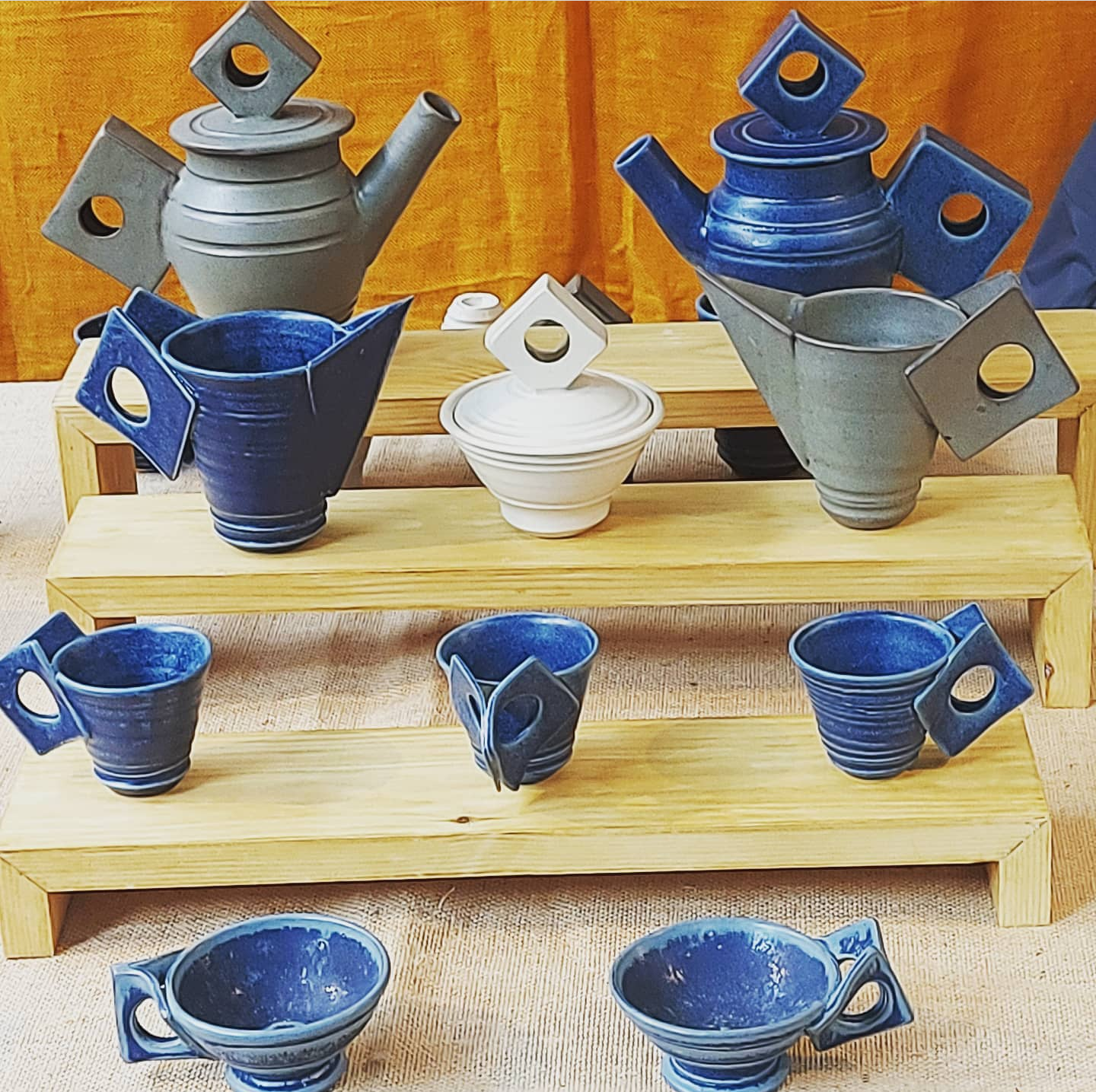
SoLo is therefore delighted to be featuring a selection of Robert Silver’s work. A Potter turned Writer and Teacher, who has now returned to his original vocation, where he desires to create pieces that are not only artistic expressions but durable pieces that are also meant to be seen (no need to put these in then far back of any cupboards). We think a pottery piece, whether as a full set - or a singular jug or espresso cup, speaks of lasting significance. Here you present something that will follow you from home to home, and perhaps even generation to generation. The everyday use of the item adds to the romance of its origin being a gift from one love to another. The roots that you build together figuratively in your relationship, over time, can be remembered automatically, unconsciously, whilst you both go along with ordinary, daily, things. The sentiment is remembered over the enjoyment of these simple things - the first sip from your morning coffee, or serving tea to a friend or neighbour. The thought remains within the piece and grows in meaning, as you bring it out and use it often.
“...what I really like is the idea that people should want to use my work, ideally every day.””
We have three colours in stock: navy blue, ivory/cream and an earthly brown. Others have described Robert’s work as “Post Industrial, Steam Punk and Art Deco-meets-Leach”. He says “All labels I can live with, that imply a little attitude…However, what I really like is the idea that people should want to use my work, ideally every day.” Check out more of Robert’s work on his website where he also keeps a blog.
Indie Edit - Rose Chocolates
*This is a paid feature
Meet chocolatiers Jonathon and Justine, the founders behind Rose Chocolates.
SoLo Craft Fair sits down with the pair to discuss how the bespoke brand came into being and what customers can expect from the moment they open the box to that final, lasting taste.
Jonathon has been a chef for almost 10 years and a pastry chef for nearly 8 years. He’s also a chocolatier – the Rose Chocolates brand began after he took a number of chocolate making courses and discovered a passion for creating beautiful flavours and tastes.
Jonathon has worked in a variety of settings including hotels, restaurants, and private member clubs such as Tom’s Kitchen, Blue Print, Charlotte Street Hotel, Hotel Cafe Royal, The Hari, and many more!
Justine is the content creator for Rose Chocolates and the chocolate designer, hand painting the chocolate art. She is also a paediatric nurse, with training in the assessment and treatment of mental health. She hopes to help heal and encourage feelings and expressions with her chocolate designs.
Rose Chocolates began because both Jonathon and Justine believe in mindful eating and creating a beautiful, bespoke experience through art, food and self-care.
Rose Chocolates is a small, handmade chocolate business that began in 2018 after the completion of much research, testing and trialling.
The aim was to create luxury handmade chocolates that are bursting with flavour and beautifully crafted. The pair also wanted the consumer to indulge in a mindful and pleasurable self-care experience evoking therapeutic, emotional and mouth-watering feelings.
“The most valuable aspect of Rose Chocolates is that our customers are able to create chocolates that are personal for them, for their desires and their wishes. We want to add that special touch to your event or provide that ultimate gift!”
The chocolates are handmade using fresh ingredients. They are painted by hand to create a more unique, mindful gift.
Jonathon and Justine have created chocolates for many events including weddings, anniversaries, company launch events, as company gifts, and as part of a series of master class events. Customers can personalise from a range of flavours and even have the option of suggesting specific flavours, shapes, designs and colours. The brand also creates chocolate art for occasions, often with an underlying and thoughtful message. Their Mother’s Day chocolate collection, for example, communicates the feeling of motherhood with spring fruits and flowers painted on chocolate macaroons, and their Zuri African collection celebrates black history and art.
Jonathon and Justine hope to expand the brand going forward and reach a wider audience by supplying to more shops. They advise other aspiring makers to keep on striving and to remain consistent. “It may seem like it is taking a long time to receive results but consistency is key! Know your product, love your product, know what makes your product the best and spread the word among others.”
Want to learn more about Rose Chocolates? Find their products in the Indie Maker’s Shopping Guide, head over to their website to shop their full range and follow them on Instagram and Facebook for their latest updates.
Indie Edit - BEAU Polish
*This is a paid feature
Meet Siána, founder of the vegan friendly nail polish brand, BEAU Polish.
She hopes to take the nail industry by storm as she sets out to create a collection of vibrant designs to empower marginalised communities.
“I'm Siána, a product designer by day and a nail polish manufacturer by night. I have worked in the licensing industry my whole career and with this, I fell in love with many forms of artistic creation. When I had a corporate job that required me to dress formally, the one way I could really express myself was through my nails and nail art. From here I developed a passion for nail design and decided to take this a step further.”
“The bottle and ingredients are all sourced in the UK, ensuring we lower our carbon footprint from 2021. All my products are manufactured in my home on the outskirts of London.”
“My dream wouldn’t have become a reality were it not for the huge amount of support I receive from my family and friends, from packing large orders to the moral support, and not to mention my wonderful customers.”
“My journey began when I qualified as a level 2 Nail Technician in 2017 – a decision that felt like a natural progression given my long established love for nail polish and art.”
“From street signs to branding, colour engulfs the world in which we live, and I believe the colours that we choose to wear say a lot about us as individuals.”
“As the founder of BEAU Polish, my mission is to make you feel as beautiful as possible by offering you a product in which you can express yourself freely.”
BESI - Brightness, equality, sassiness and integrity form the cornerstones of the brand.
“BEAU is bright and bold and this is reflected in the collections. We all deserve to be seen, to express ourselves and to tell the world that we are not going to hide. We are unique and beautiful.”
“BEAU is built on equality. Wear without judgement in whatever way you identify with.”
“BEAU will forever represent sassiness, empowering you so that you wake each morning to declare to the world who you are.”
“BEAU is built on love and integrity, with gifting at its forefront so you can extend the love to others.”
“With each of these four brand values, I hope to empower and support you in your journey of self love and general bad-arseary! I will be expanding the BEAU portfolio to include more vibrant products that compliment nail polish but also add to the fun of bath time. While we support the Switchboard LGBT+ charity, we will not stop there in our mission to give back to marginalised communities.”
“My advice to creators who want to start their own business is creating something from scratch that people want is such a beautiful experience, and well worth the initial struggle that each startup goes through. Don’t expect your product to be perfect at the beginning – over time you’ll get better at your craft. Don’t wait for perfection to launch your brand! Get going and adapt as you move forward. Creating a product isn’t about perfection, it’s about joy. Avoid comparing yourself to other makers – it’s the quickest way to lose sight of your goals and achievements. Besides, are you even trying if you don't make mistakes along the way? No one is perfect, and no one can do you better than you!”
Want to learn more about BEAU Polish? Find their products in the Indie Maker’s Shopping Guide, head over to their website to shop their full range and follow them on Instagram, Facebook and Twitter for their latest updates.
Indie Edit - Soul and Style
*This is a paid feature
SoLo Craft Fair sits down with Sarah from Soul and Style to discuss how one woman’s passion for yesteryear’s fashion has led to her very own indie business.
“I'm Sarah and I am the one woman band behind Soul and Style shop. To cut a long story short, I was born in the wrong era and I now make 60s and 70s inspired earrings and hair accessories to feel nostalgic about it! I am based in southeast London.”
“It was during lockdown that I started to get creative with polymer clay and I began to make the items I wished I had always had!”
“I have a new product which will be coming soon, but I don't want to let up on the secret yet! My next collection will be an all out 70s restock and I’m crossing my fingers for a few collaborations with some other small businesses.”
“I’d encourage anyone looking to start a new business not to give up! It took me a few weeks, perhaps even a month, to even get my baking temperature and timings right when I first started out and I was close to giving up so many times. I persevered and I am so thankful that I did because my small business has brought me so much joy and creative fun and introduced me to the wonderful small business community.”
Want to learn more about Soul and Style? Find their products in the Indie Maker’s Shopping Guide, head over to their website to shop their full range and follow them on Instagram, Facebook and Twitter for their latest updates.
Indie Edit - Art by XRDH
*This is a paid feature
Meet Art by XRDH, an artist and activist who uses her work to raise awareness for the mental health community.
SoLo Craft Fair sits down with founder of the brand, Xilesia to discuss how her own journey influenced the direction of her work, the charities she now works alongside and the important changes she hopes the creative industry will adopt.
“I’m Xilesia Dwyer Henry. I’m a multi-disciplinary artist with a current focus on digital and 2D art. I create artwork based on pertinent social issues that I myself have experienced or through the stories of people who I know have encountered. My own journey, however, has not been without difficulties.”
“I have experienced many challenges but each has helped me to understand the difficulties that many people can, and do, live with. I am grateful and fortunate to have survived many of these complex experiences. Indeed, I’ve become increasingly appreciative for the good and bad within my life, and have become far more self-aware of the lessons that can be learned from the experiences I’ve come up against.”
“I studied a bachelor’s degree in Fine Art at Central Saint Martins having previously studied Art, Design and Sociology.”
“This has been a journey that I began to explore from 2014 after a tragic death of someone I knew as a result of mental illness. That moment led to a self-discovery of how I chose to practice art, and the important crossover into advocating different topics.”
“I would refer to my art works conceptually as advertisements. I began trying to work alongside charitable organisations. Although this required a lot of work, it remained hugely important and a goal that I was determined to achieve in my artistic and conceptual journey.”
“While addressing stories of those who were experiencing stigma due to mental illness, I began to explore my own emotions. Moreover, those close to me began sharing their experiences which in turn supported and strengthened my work. I discovered more about mental health through the stories of those I knew, but also the world I live in and the enormity of the change that was needed.”
“I knew I couldn't be the solution to the problem but I was aware that the amplification of other people’s voices could draw attention to the issue and pave the way for how change could be created.”
“After graduating and further introspection I began creating a newer series of works. I gained confidence in drawing on my own experiences with mental health and specifically focusing on chronic illness and the female body.”
“In using my art as a form of communication I have been fortunate to realize a major dream in being able to use my own experiences and those close to me to raise awareness of an important subject matter and to support charities too. I hope that by doing this I will be able to support those who have had similar experiences but don’t know who to turn to, and also to empower my own and other people’s voices too.”
“Going forward I hope to invest money so that I can continue my work on a wider scale, while supporting charities that support our community. I donate a portion of the income I earn from selling my artwork to these charities and so, while funding limitations create barriers to who receives the help and how much help is available, charities can continue to have a backbone to support others like me. I have worked with both MIND and BEAT and have future plans to collaborate with RASASC as well as many more charities.”
“I am currently liaising with companies such as Boots, John Lewis, and several others where my work will be sold through shops in addition to fairs. This will accelerate how many people and charities I can help and create an income for myself.”
“During my time at university there was an unwritten but very apparent narrative that required aspiring artists to pigeon-hole themselves within a predetermined category in order to succeed. We were told to forget our own identity or belief systems and instead that if we wanted it bad enough we would need to conform to succeed. I think the establishment needs to be changed! Rip up the old rulebook and allow more freedoms within the art world to create more spaces in high end establishments for marginalized artists to create and gain recognition. We need to address and rectify the huge exploitation of those working in the creative industry to ensure they get paid an honest wage. It would also be welcome, inspirational and hugely important to the field of historical art to study artists from various backgrounds, particularly those who aren't from well-connected, aristocratic and well-off families.”
“I encourage aspiring artists to follow companies on social media who align with your values, or sign up to their newsletter via email or post if you don't have social media. Try to attend any meetings, discussions or talks which will help you find like-minded people and even signpost you to other groups to join. Connecting with others will keep you up to date with current issues and developments within the industry.”

Quisque iaculis facilisis lacinia. Mauris euismod pellentesque tellus sit amet mollis.